

The USD / COP exchange rate is an important indicator in the world of finance, affecting traders, investors, businesses, and everyday consumers. USD stands for the United States Dollar, and COP stands for the Colombian Peso. Understanding this exchange rate can help you make better financial decisions, whether you are trading, investing, or traveling.
In this complete guide, we will discuss everything about USD / COP, including its definition, historical trends, factors influencing the rate, trading tips, and how it affects the economy.
What is USD / COP?
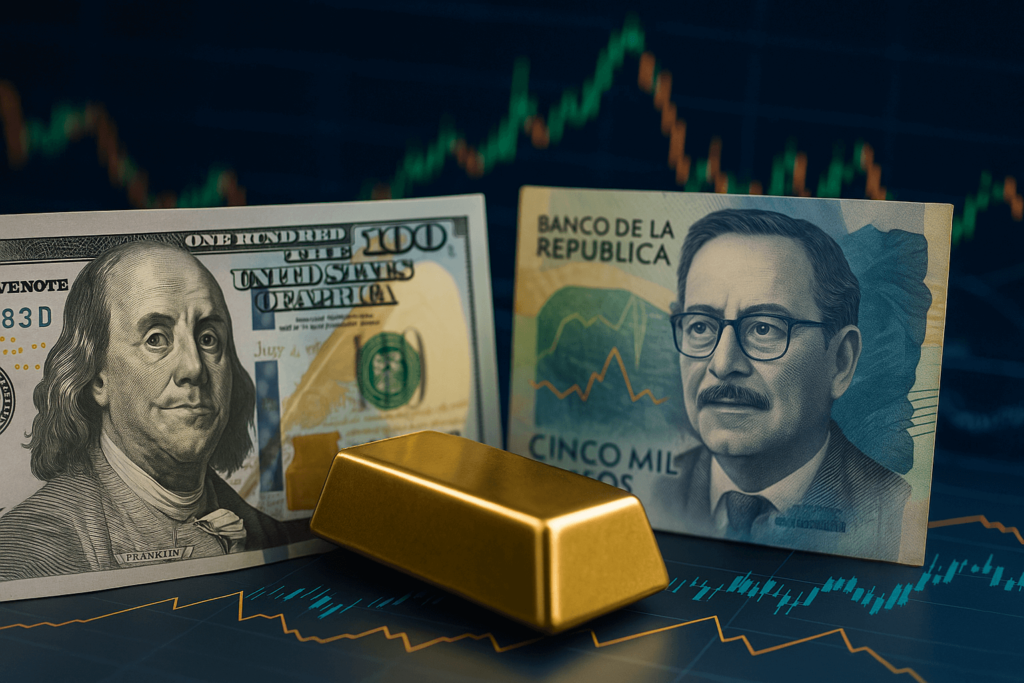
The USD / COP represents the value of one US Dollar in terms of Colombian Pesos. For example, if the USD / COP exchange rate is 4,500, it means 1 USD equals 4,500 COP.
This exchange rate is widely monitored by:
- Forex traders
- Importers and exporters
- Investors
- Travelers and remittance senders
The USD / COP rate helps determine purchasing power, international trade costs, and investment decisions.

History of USD / COP
The USD / COP exchange rate has evolved significantly over the decades. Historically, the Colombian Peso was much stronger against the US Dollar. However, economic instability, inflation, and global financial crises have caused the Peso to weaken over time.
Some key historical trends:
- 1980s-1990s: The Peso was relatively strong, with rates around 50-1,000 COP per USD.
- 2000s: The Peso started fluctuating more due to oil price changes and political instability.
- 2010s: Rates reached 3,000–3,500 COP per USD.
- 2020s: Rates have fluctuated between 3,500–4,500 COP per USD due to COVID-19, oil market volatility, and inflation.
Understanding history helps investors and traders predict possible future trends in the USD / COP market.
Factors Influencing USD / COP
Several factors affect the USD / COP exchange rate. These include:
1. Oil Prices
Colombia is an oil-exporting country. Changes in global oil prices directly impact the Colombian economy and the value of the Peso.
- High oil prices → Stronger COP
- Low oil prices → Weaker COP
2. US Dollar Strength
The value of the USD in global markets also affects USD / COP. If the USD strengthens globally, the Peso may weaken against it.
3. Inflation Rates
High inflation in Colombia reduces the purchasing power of COP, causing the USD / COP rate to rise.
4. Political Stability
Political uncertainty or instability can weaken the Peso and increase USD / COP. Conversely, stable governance can strengthen the currency.
5. Interest Rates
Higher interest rates in the US can attract global investors, increasing demand for USD and impacting the USD / COP exchange rate.
6. Trade Balance
If Colombia exports more than it imports, the Peso strengthens. If imports exceed exports, the Peso weakens, affecting USD / COP.
How USD / COP Affects Businesses
The USD / COP rate directly impacts businesses in Colombia and international companies dealing with Colombian markets.
Exporters
A weaker COP makes Colombian goods cheaper in foreign markets, benefiting exporters.
Importers
A weaker COP increases the cost of importing goods from the US, raising business expenses.
Investors
Fluctuations in USD / COP affect returns for foreign investors and remittance senders.
How to Read USD / COP Trends
Understanding USD / COP trends is essential for traders, businesses, and individuals. Here are some methods:
- Historical Charts: Track USD / COP over time to identify trends.
- Forex Platforms: Platforms like MetaTrader, Investing.com, and Bloomberg provide real-time exchange rates.
- Technical Analysis: Analyze support, resistance, and moving averages for trading decisions.
- News & Economic Reports: Stay updated on Colombian and US economic news.
USD / COP Trading Tips
Forex traders often focus on USD / COP due to its volatility and liquidity. Here are some tips:
1. Stay Updated with News
Economic announcements from Colombia or the US, including inflation, GDP, and oil production, can impact USD / COP.
2. Use Stop-Loss Orders
Always use stop-loss orders to minimize risks in volatile markets.
3. Analyze Trends
Look at both short-term and long-term trends. Technical analysis can help identify entry and exit points.
4. Watch Oil Prices
Since Colombia is an oil-exporting nation, monitor oil price changes to anticipate currency fluctuations.
5. Diversify Trading Portfolio
Do not rely only on USD / COP. Diversifying with other currency pairs can reduce risk.
USD / COP Forecast 2026
Predicting the exact future rate of USD / COP is challenging due to global economic uncertainties. However, analysts consider:
- US Federal Reserve policies affecting USD strength
- Colombia’s inflation rate and GDP growth
- Oil market trends
- Political and social stability in Colombia
Experts generally expect moderate fluctuations around historical ranges unless there are major economic shocks.
How USD / COP Affects Travelers
Travelers exchanging USD for COP should consider:
- Best times to exchange currency (favorable USD / COP rates)
- Bank or official exchange offices for safe transactions
- Avoid exchanging money at airports or unofficial kiosks due to higher fees
Remittances and USD / COP
Many Colombians receive money from relatives abroad in USD. A favorable USD / COP rate means:
- Higher COP received for the same USD sent
- Families can manage living costs better
- Remittance companies monitor the rate for better services
Tips for Getting the Best USD / COP Rate
- Compare rates from multiple banks and forex providers
- Monitor online exchange rate alerts
- Exchange large amounts at better rates rather than multiple small exchanges
- Avoid high fees and hidden charges
USD / COP Economic Impact
The USD / COP exchange rate also impacts the Colombian economy:
- Exports & Imports: Directly affects trade balance
- Inflation: A weaker Peso may increase prices for imported goods
- Investment: Foreign investors consider exchange rate stability before investing
- Tourism: A favorable rate attracts foreign tourists
USD / COP in Forex Market
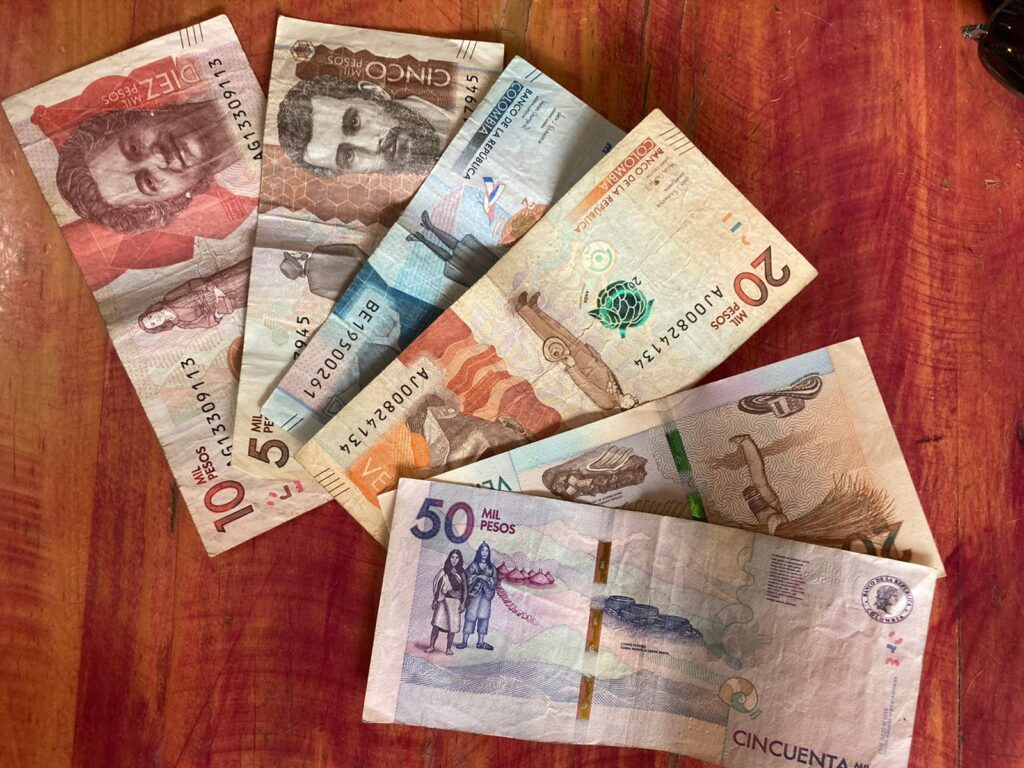
The USD / COP currency pair is traded in the forex market. Traders use it to:
- Hedge risks from business exposure
- Speculate on currency movements
- Diversify their forex portfolio
It is considered moderately volatile, which can create opportunities for short-term traders and investors.
Historical USD / COP Milestones
- 1980s: COP was strong, around 50–1,000 per USD
- 1990s: Gradual depreciation due to economic instability
- 2002: COP reached 2,500 per USD
- 2015–2016: Oil price crash caused USD / COP to spike to over 3,200
- 2020: COVID-19 crisis pushed USD / COP to around 4,000
Understanding past trends helps anticipate potential future movements.
How to Use USD / COP for Investment
Investors can use USD / COP to:
- Trade in forex markets
- Invest in Colombian stocks or bonds
- Hedge against currency risk for international businesses
- Track inflation and economic stability
USD / COP FAQs
What does USD / COP mean?
USD / COP shows how many Colombian Pesos you get for one US Dollar.
How is USD / COP calculated?
It is calculated based on supply and demand in forex markets, influenced by economic, political, and global factors.
Can USD / COP affect daily life?
Yes, it impacts import/export prices, remittances, travel, and inflation in Colombia.
Where can I find the best USD / COP rates?
Banks, authorized exchange offices, and online forex platforms offer competitive rates.
Is USD / COP trading profitable?
It can be profitable, but it carries risks. Traders must use proper strategies, analysis, and risk management.
Conclusion
The USD / COP exchange rate is a key economic and financial indicator. From forex traders to businesses and travelers, understanding its dynamics is essential. By analyzing historical trends, monitoring oil prices, and staying updated with news, you can make informed decisions regarding the USD / COP pair.
Whether you are trading, investing, or managing daily expenses, keeping an eye on USD / COP ensures better financial outcomes and prepares you for market fluctuations.
