
Introduction
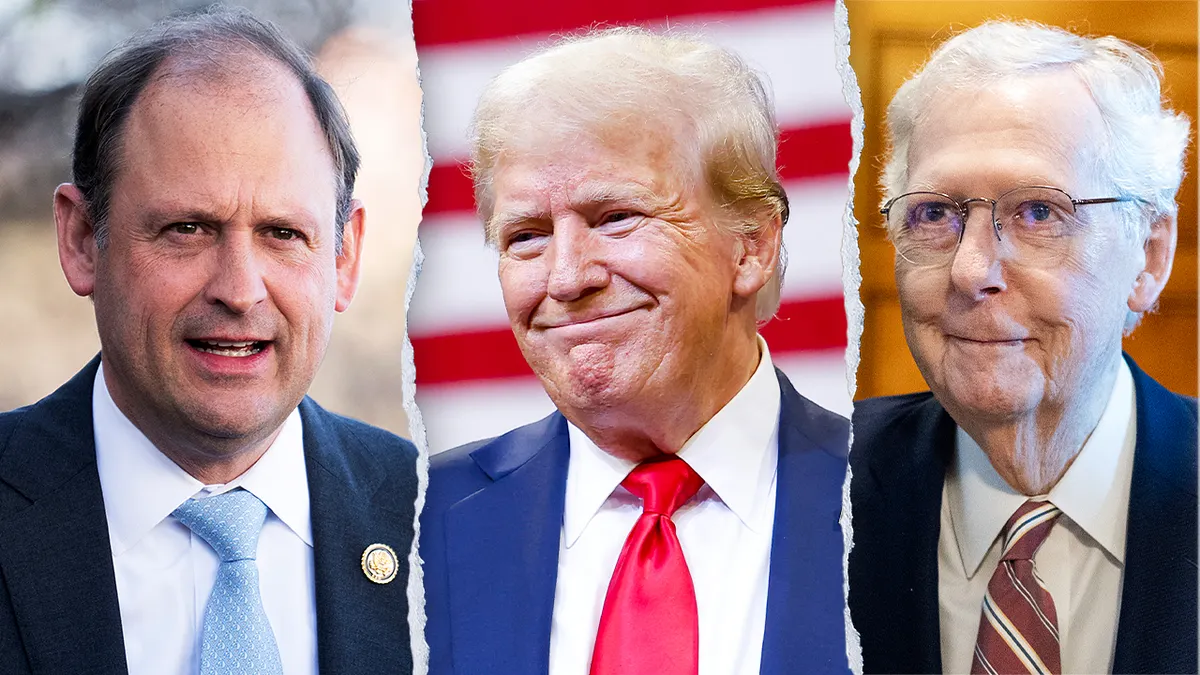
Mitch McConnell is one of the most powerful and influential figures in modern American politics. Serving in the United States Senate for decades, he has built a reputation as a strategic mastermind, a disciplined leader, and a central force in shaping the Republican Party’s direction. His political journey reflects persistence, tactical intelligence, and deep understanding of how Washington operates.
Over the years, McConnell has become synonymous with Senate power dynamics, judicial confirmations, and partisan strategy. Whether viewed as a skilled institutional operator or a controversial political figure, his influence on the U.S. political system is undeniable. His decisions have shaped legislation, court structures, and the balance of political power in the United States for generations.
Early Life and Education of Mitch McConnell
Mitch McConnell was born in Sheffield, Alabama, in 1942 and faced early health struggles, including a battle with polio as a child. This experience significantly shaped his resilience and determination. His family later moved to Louisville, Kentucky, where he would spend most of his formative years and eventually build his political career.
Education played a central role in McConnell’s development. He attended the University of Louisville for his undergraduate studies and later earned his law degree from the University of Kentucky College of Law. During this time, he developed a strong interest in political systems, governance, and constitutional law, which would later define his legislative approach.
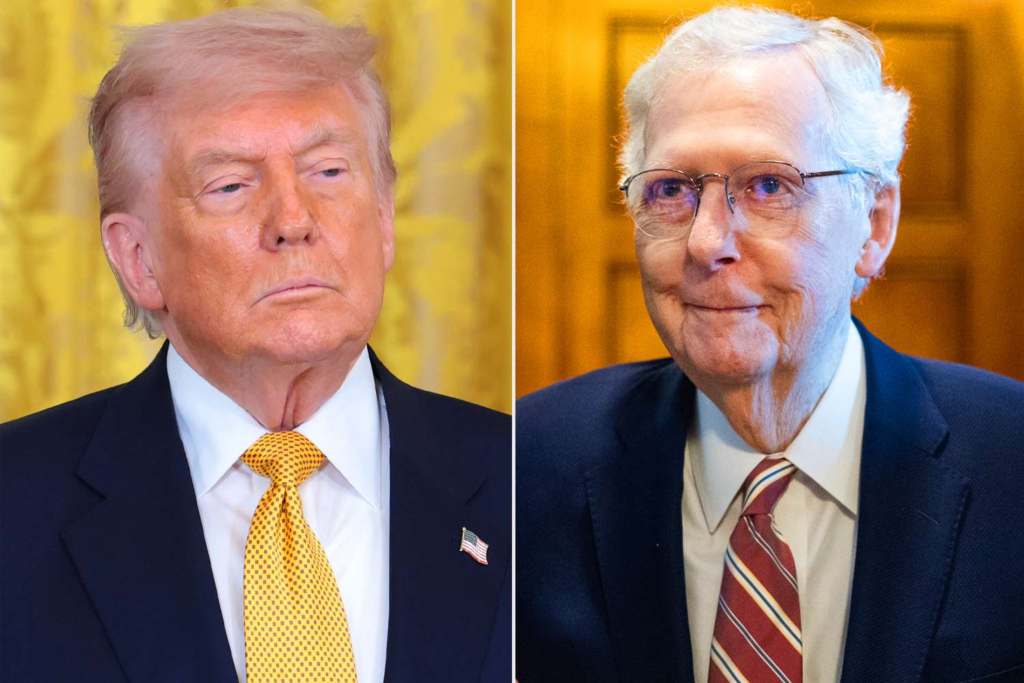
Before entering national politics, McConnell gained experience in legal and governmental roles, including early work in Washington, D.C. These experiences provided him with an inside view of federal operations and helped him develop a strategic mindset that would later become his trademark in the Senate.
Rise to Power in Kentucky Politics and the U.S. Senate
Mitch McConnell began his political career at the local level in Kentucky, where he served as Jefferson County Judge/Executive. In this role, he focused on administrative efficiency, fiscal discipline, and government reform. His leadership style emphasized structure, accountability, and pragmatic decision-making.
His national breakthrough came in 1984 when he defeated a long-time Democratic incumbent in the U.S. Senate race. This victory was historically significant, marking one of the earliest signs of a political shift in Kentucky toward Republican leadership. From that point forward, McConnell became a dominant figure in both state and national politics.
Once in the Senate, McConnell quickly established himself as a strategic operator. His deep understanding of Senate rules and procedures allowed him to navigate complex legislative environments effectively. Over time, he rose through the ranks of Republican leadership, eventually becoming one of the most influential senators in American history.
Leadership Style and Influence in the U.S. Senate
Mitch McConnell is widely recognized for his strategic and disciplined leadership style. As both Senate Majority Leader and Minority Leader at different points in his career, he played a key role in shaping legislative priorities and managing party strategy in the Senate.
One of McConnell’s most defining traits is his mastery of Senate procedure. He is known for using rules such as filibusters, confirmations, and scheduling control to influence legislative outcomes. This procedural expertise has allowed him to block or advance major policy initiatives depending on political strategy, making him one of the most powerful legislative tacticians in modern U.S. history.
Beyond procedure, McConnell also focused on strengthening Republican electoral strategy in the Senate. He prioritized candidate recruitment, campaign funding coordination, and long-term planning to secure Republican control. His leadership helped shape the Republican Party into a highly organized Senate-focused political machine.
Key Policies, Judicial Strategy, and National Impact
Mitch McConnell is perhaps best known for his influence on the U.S. judiciary. He played a major role in the confirmation of numerous federal judges, including Supreme Court justices. His approach emphasized long-term ideological impact, ensuring a conservative judicial presence for decades.
In addition to judicial influence, McConnell has supported major tax reform initiatives and fiscal policies focused on reducing government intervention in the economy. He has consistently advocated for lower taxes, deregulation, and policies designed to stimulate economic growth through private-sector expansion.
His impact also extends to healthcare, defense spending, and regulatory reform. McConnell has often opposed large expansions of federal government programs, favoring a more restrained and constitutionally limited approach. These positions have helped define modern conservative policymaking in the United States.
Controversies and Political Legacy
Mitch McConnell has also been a polarizing figure throughout his career. Critics argue that his use of procedural tactics has contributed to political gridlock in Washington. His strategic blocking of legislation and judicial nominees has often sparked debate about fairness and Senate tradition.
One of the most debated aspects of his career involves Supreme Court nominations. His handling of judicial confirmations has been praised by supporters as highly effective strategy, while critics see it as partisan maneuvering that altered long-standing institutional norms. These actions have had a lasting impact on the structure of the federal judiciary.
Despite controversy, McConnell’s legacy is firmly established as one of the most consequential in modern U.S. political history. His influence on judicial appointments, Senate procedure, and party strategy ensures that his impact will continue to be studied and debated for years to come.
FAQs
1. Who is Mitch McConnell?
He is a long-serving U.S. Senator from Kentucky and a major Republican Party leader.
2. When did Mitch McConnell start serving in the Senate?
He was first elected to the U.S. Senate in 1984 and began serving in 1985.
3. What is Mitch McConnell known for?
He is known for Senate leadership and influencing judicial confirmations.
4. Has Mitch McConnell led the Senate?
Yes, he has served as both Senate Majority Leader and Minority Leader.
5. What party does Mitch McConnell belong to?
He is a member of the Republican Party.
6. What is his role in judicial appointments?
He has played a major role in confirming conservative federal judges and Supreme Court justices.
7. Where was Mitch McConnell born?
He was born in Sheffield, Alabama.
8. What are his political views?
He generally supports conservative fiscal policies and limited government intervention.
9. Why is Mitch McConnell controversial?
He is often criticized for strategic use of Senate procedures that opponents view as obstructionist.
10. What is his legacy in U.S. politics?
His legacy includes reshaping the judiciary and redefining Senate political strategy.
Conclusion
The political career of Mitch McConnell represents a defining era in American governance. His leadership style, built on discipline, strategy, and procedural mastery, has reshaped the U.S. Senate and influenced national policy for decades.
Whether seen as a brilliant strategist or a controversial power broker, McConnell’s role in shaping the judiciary, guiding Senate operations, and strengthening party infrastructure is undeniable. His legacy remains deeply embedded in the structure of modern American politics.
