
Introduction
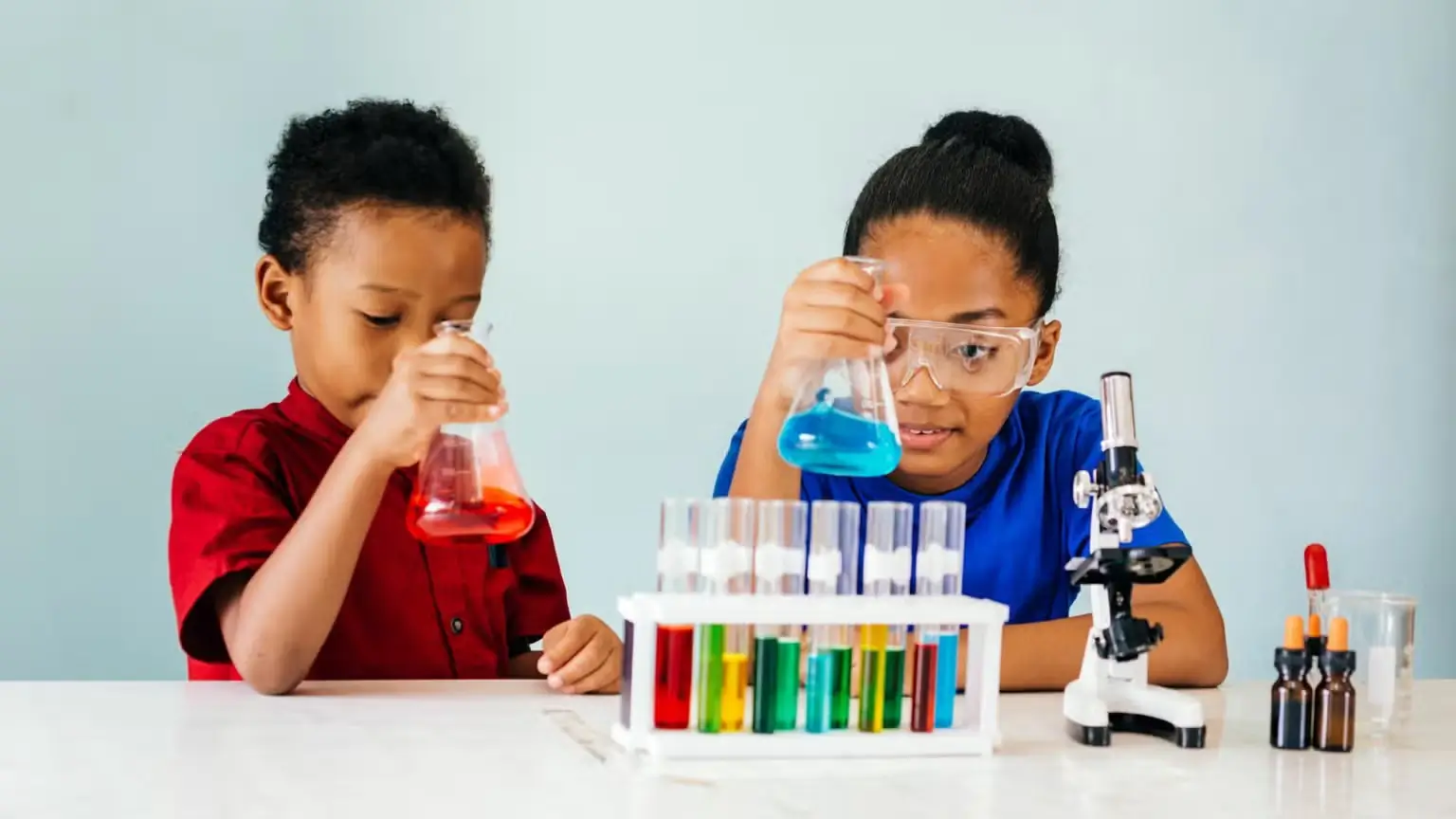
Chemistry experiments are one of the most exciting ways to explore the world of science. Instead of simply reading theories, experiments allow you to witness chemical reactions in real time, turning abstract concepts into visible and memorable experiences. Whether you are a student, teacher, or curious learner, engaging in hands-on activities can significantly enhance your understanding of chemistry.
From colorful reactions to surprising transformations, chemistry experiments provide a unique blend of education and entertainment. They help develop critical thinking, problem-solving skills, and a deeper appreciation for how substances interact. In this comprehensive guide, we’ll explore various types of experiments, safety practices, and creative ideas that make chemistry both fun and meaningful.
What Are Chemistry Experiments and Why Are They Important?
At their core, chemistry experiments are practical procedures conducted to observe chemical reactions and understand scientific principles. These experiments often involve mixing substances, applying heat, or altering conditions to see how materials behave. Concepts like Chemical Reaction and Acid–Base Reaction become much clearer when experienced through experimentation.
The importance of chemistry experiments extends beyond the classroom. They help learners connect theory with real-world applications, making science more relevant and engaging. For example, understanding reactions can explain everyday phenomena such as cooking, cleaning, and even how the human body functions.

Moreover, experiments encourage curiosity and innovation. When students perform hands-on activities, they are more likely to ask questions, explore possibilities, and develop a scientific mindset. This approach not only improves academic performance but also fosters a lifelong interest in science.
Easy Chemistry Experiments for Beginners
If you’re new to chemistry experiments, starting with simple activities is the best approach. Beginner-friendly experiments often use household items, making them accessible and safe. One classic example is the baking soda and vinegar reaction, which demonstrates a basic Acid–Base Reaction. When these two substances combine, they produce carbon dioxide gas, creating an exciting fizzing effect.
Another popular beginner experiment involves creating a “rainbow in a glass.” By carefully layering liquids of different densities, you can visually observe how substances interact based on their physical properties. This type of experiment introduces important concepts like density and solubility in a fun and engaging way.
These simple experiments are ideal for building confidence. They require minimal equipment and offer immediate results, making them perfect for students and hobbyists. As you gain experience, you can gradually move on to more complex experiments that involve advanced techniques and materials.
Fun and Creative Chemistry Experiments at Home
One of the best things about chemistry experiments is that many can be performed at home with everyday materials. These experiments not only make learning enjoyable but also allow families to explore science together. For instance, creating a homemade lava lamp using oil, water, and food coloring demonstrates how immiscible liquids behave.
Another creative experiment is making slime, which involves polymer formation. This activity introduces the concept of Polymerization in a hands-on way. By mixing glue and a binding agent, you can observe how molecules link together to form a flexible substance.
Home-based experiments also encourage creativity. You can modify ingredients, test variations, and observe different outcomes. This freedom to experiment fosters a deeper understanding of scientific principles while keeping the process fun and interactive.
Safety Tips for Conducting Chemistry Experiments
While chemistry experiments are exciting, safety should always be a top priority. Even simple experiments can involve reactions that produce heat, gas, or unexpected results. Following basic safety guidelines ensures a secure and enjoyable experience.
First, always wear protective gear such as gloves and safety goggles. These items help prevent injuries from spills or splashes. It’s also important to work in a well-ventilated area, especially when dealing with substances that may release fumes.
Additionally, never mix chemicals without proper knowledge. Understanding the nature of substances and their potential reactions is crucial. For example, combining certain household chemicals can produce harmful gases. By respecting safety rules and staying informed, you can enjoy chemistry experiments without unnecessary risks.
Advanced Chemistry Experiments for Students
As learners progress, they can explore more advanced chemistry experiments that involve deeper scientific concepts. These experiments often require specialized equipment and a controlled environment, such as a laboratory setting. Topics like Redox Reaction and Electrolysis become central at this stage.
For example, electrolysis of water demonstrates how electricity can break down compounds into their elements. This experiment provides insight into energy transfer and chemical bonding. Similarly, redox reactions help students understand how electrons are transferred between substances, a concept fundamental to many chemical processes.
Advanced experiments not only enhance knowledge but also prepare students for careers in science and technology. They encourage precision, analytical thinking, and a deeper appreciation for the complexities of chemistry. By gradually building skills, learners can transition from basic experiments to professional-level research.
Conclusion
Chemistry experiments are a powerful tool for learning, discovery, and creativity. They transform theoretical concepts into tangible experiences, making science more accessible and enjoyable. From simple home activities to advanced laboratory procedures, experiments play a crucial role in understanding the world around us.
By engaging in chemistry experiments, learners develop essential skills such as critical thinking, observation, and problem-solving. These experiences not only enhance academic knowledge but also inspire curiosity and innovation. Whether you’re a beginner or an advanced student, there is always something new to explore in the fascinating world of chemistry.
