
Introduction
The term advocate is often associated with courtrooms, legal arguments, and professional representation. While that image is accurate in many situations, the meaning of the word extends far beyond the legal profession. An advocate can be anyone who actively supports, defends, or speaks on behalf of another person, a cause, or an idea. Whether helping an individual navigate a legal dispute, promoting social justice, or ensuring vulnerable people receive fair treatment, advocates play an essential role in creating a more balanced and compassionate society.
Understanding the advocate definition involves more than memorizing a dictionary explanation. It requires exploring the purpose behind advocacy, the responsibilities advocates carry, and the many settings in which they work. From attorneys standing before judges to healthcare professionals protecting patients’ rights and community leaders championing meaningful causes, advocacy appears in countless forms. Learning about this concept provides valuable insight into how people influence positive change while protecting the interests of others.
What Does Advocate Mean?
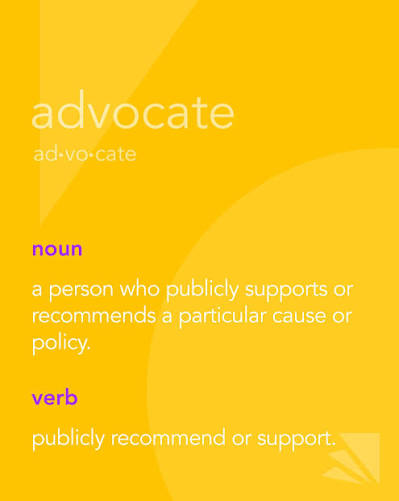
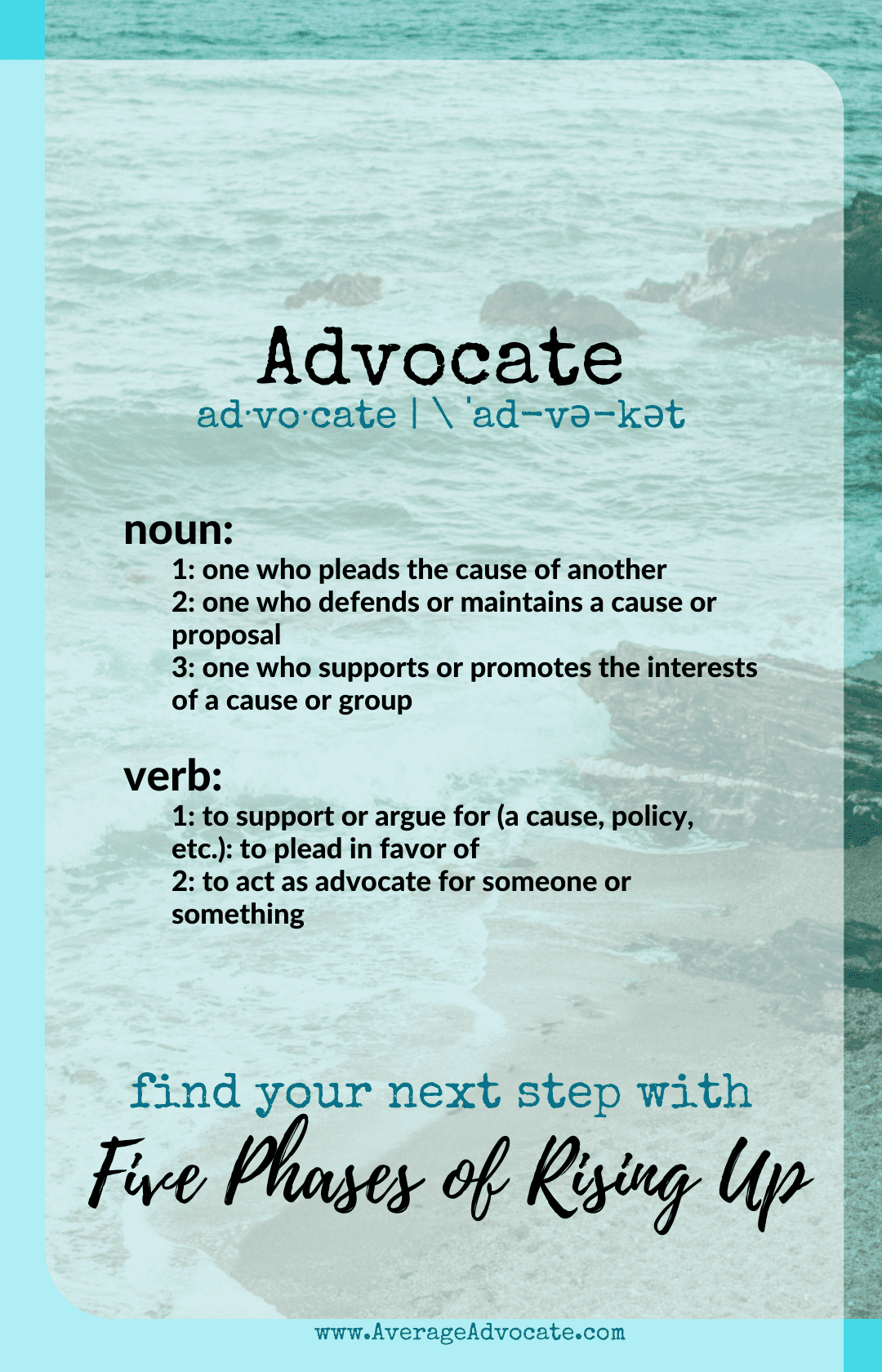
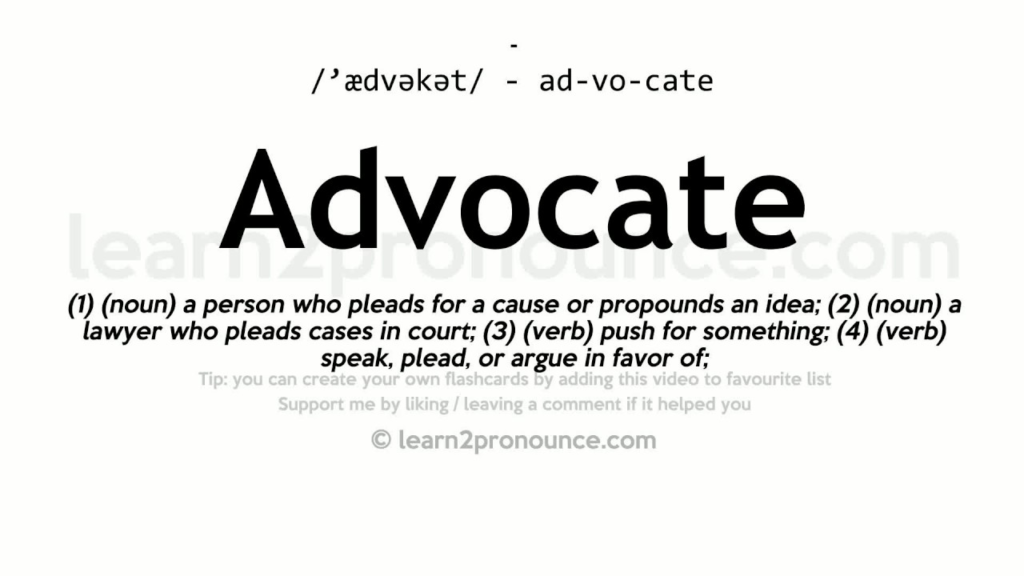
The advocate definition can be understood as a person who supports, defends, or represents another individual, group, or cause. The word originates from the Latin term advocatus, meaning “one who is called to help.” That historical origin reflects the modern purpose of advocacy—offering assistance, guidance, and representation when it matters most.
In everyday language, an advocate is someone who speaks up when another person cannot easily speak for themselves. This support may involve presenting arguments, negotiating solutions, educating others, or raising awareness about important issues. Advocacy is rooted in communication, trust, and a commitment to protecting rights or advancing worthwhile goals.
Legal Definition of an Advocate
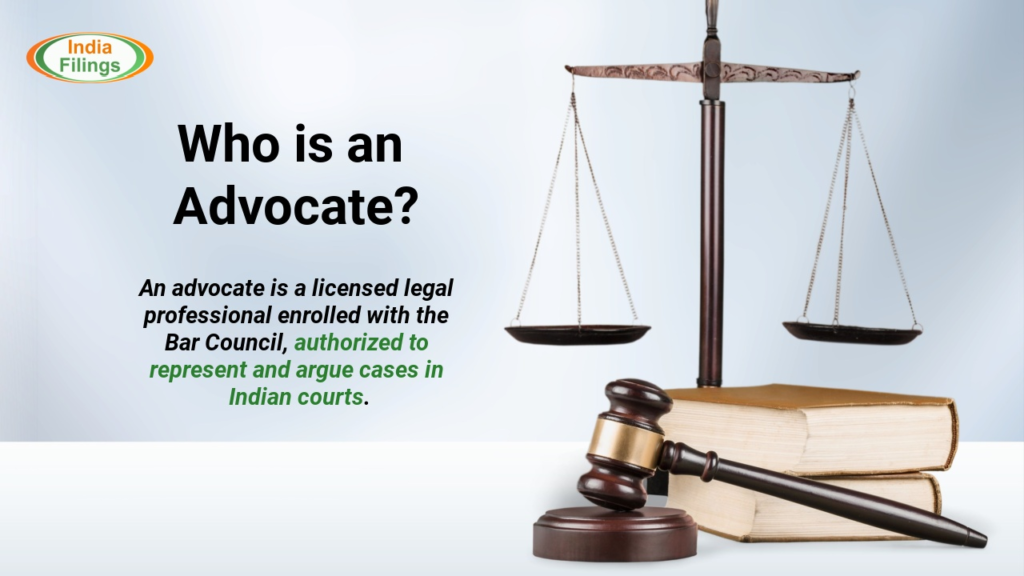
Within the legal profession, an advocate is a qualified professional authorized to represent clients before courts or legal authorities. Their work includes interpreting laws, preparing legal documents, presenting evidence, examining witnesses, and defending the interests of clients throughout legal proceedings.
Legal advocates also provide strategic advice outside the courtroom. Many disputes are resolved through negotiation, mediation, or settlement discussions, making communication skills just as valuable as litigation experience.
General Meaning Beyond Law
Outside legal settings, the advocate definition becomes broader. Teachers advocate for students who need additional educational support. Medical professionals advocate for patients by ensuring informed decisions are respected. Family members often become advocates when helping elderly relatives access healthcare or social services.
This wider interpretation demonstrates that advocacy is fundamentally about helping others achieve fairness, dignity, and opportunity.
The Different Types of Advocates and Their Roles
Advocacy exists in nearly every area of society because people frequently need knowledgeable supporters who can help navigate complex systems. Although advocates share the common goal of representing interests, their responsibilities vary depending on their field.
Each type of advocate brings specialized knowledge, communication skills, and ethical responsibility to situations where guidance can significantly improve outcomes. Their work often combines education, negotiation, research, and compassionate support.
Legal Advocates
Legal advocates assist individuals and organizations with legal matters ranging from criminal defense to civil disputes, family law, business transactions, property issues, and constitutional rights. Their primary responsibility is ensuring that every client receives fair representation under the law.
Beyond courtroom appearances, legal advocates explain complicated legal concepts in understandable language, helping clients make informed decisions throughout the legal process.
Patient Advocates
Healthcare systems can be confusing, especially during serious illnesses. Patient advocates help individuals understand treatment options, communicate with healthcare providers, review medical information, and ensure patients’ wishes remain central to healthcare decisions.
They also assist families in understanding insurance matters, hospital procedures, and patient rights, reducing confusion during emotionally difficult periods.
Social Advocates
Social advocates work to improve communities by addressing issues such as poverty, education, disability rights, gender equality, child welfare, housing, and environmental protection.
Their efforts may involve organizing campaigns, educating the public, influencing policymakers, or connecting individuals with valuable community resources.
Educational Advocates
Students sometimes require additional support because of disabilities, learning challenges, language barriers, or personal circumstances. Educational advocates help families understand educational rights and collaborate with schools to create appropriate learning opportunities.
They often attend meetings, review educational plans, and ensure students receive fair treatment within educational institutions.
Essential Responsibilities and Qualities of an Effective Advocate

Being an advocate involves much more than speaking on someone else’s behalf. Successful advocacy requires careful preparation, ethical judgment, empathy, and the ability to communicate clearly under pressure.
People place tremendous trust in advocates because their decisions and advice may significantly influence another person’s future. This responsibility requires professionalism combined with genuine concern for those they represent.
Strong Communication Skills
Clear communication sits at the heart of effective advocacy. Advocates must listen carefully before offering advice or presenting arguments. Understanding another person’s goals, concerns, and experiences allows them to represent those interests accurately.
Equally important is the ability to explain complex information in ways that clients, families, organizations, or decision-makers can understand. Whether speaking before a judge, discussing medical treatment, or presenting community concerns, clarity strengthens credibility.
Research and Critical Thinking
Advocates frequently analyze laws, policies, medical records, educational regulations, financial information, or organizational procedures. Thorough research allows them to build persuasive arguments supported by reliable evidence rather than assumptions.
Critical thinking helps advocates identify weaknesses in opposing arguments, evaluate risks, anticipate challenges, and recommend practical solutions tailored to each situation.
Integrity and Ethical Responsibility
Trust forms the foundation of advocacy. Clients and communities rely on advocates to act honestly, maintain confidentiality, avoid conflicts of interest, and prioritize the interests of those they represent.
Ethical advocacy also involves presenting truthful information while respecting legal standards and professional responsibilities. Long-term credibility depends upon honesty even when circumstances become challenging.
Empathy and Compassion
Technical knowledge alone does not create an exceptional advocate. People seeking advocacy often experience stress, uncertainty, fear, or frustration. Compassion helps advocates understand emotional realities while remaining focused on practical solutions.
Empathy encourages respectful communication, stronger relationships, and better decision-making because advocates appreciate the human impact behind every issue.
Why Advocacy Is Important in Society
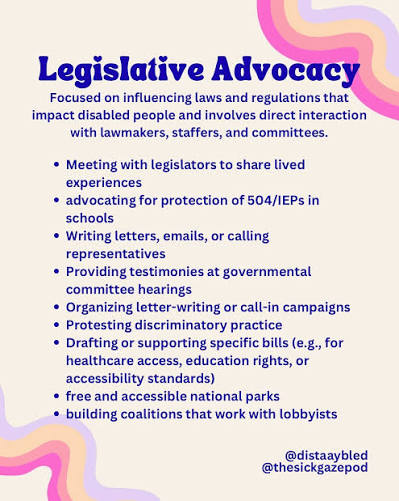
A healthy society depends upon people who are willing to protect fairness, encourage accountability, and ensure every voice has an opportunity to be heard. Advocacy strengthens institutions by promoting transparency, defending individual rights, and helping resolve conflicts peacefully.
Without advocates, many people would struggle to navigate complicated legal systems, healthcare organizations, educational institutions, or government agencies. Advocacy helps bridge the gap between individuals and complex systems that can otherwise feel overwhelming.
Protecting Individual Rights
Many individuals face barriers related to language, disability, financial limitations, discrimination, or lack of legal knowledge. Advocates help remove those barriers by explaining available rights and supporting informed decision-making.
For example, a tenant facing an unlawful eviction may rely on legal advocacy to understand housing protections. Likewise, a patient receiving complicated medical treatment may depend on a healthcare advocate to understand available options before making critical decisions.
Creating Positive Social Change
Advocacy does not only help individuals—it can influence entire communities. Throughout history, advocates have contributed to meaningful reforms involving civil rights, workplace safety, consumer protection, disability access, education, and public health.
These improvements often begin with individuals who identify injustice, gather evidence, educate the public, and encourage institutions to adopt better policies. Advocacy transforms isolated concerns into collective action capable of producing lasting improvements.
Encouraging Fair Decision-Making
Organizations and public institutions make countless decisions affecting people’s lives. Advocates help ensure those decisions consider evidence, fairness, and ethical principles rather than convenience or bias.
By presenting well-supported perspectives, advocates contribute to more balanced discussions and better-informed outcomes that benefit both individuals and society.
How Advocacy Works in Everyday Life
Many people unknowingly practice advocacy in their personal and professional lives. Speaking up for a coworker who receives unfair treatment, helping an elderly neighbor understand government benefits, or supporting a child during school meetings are all examples of advocacy in action.
These everyday situations demonstrate that advocacy is not limited to formal professions. Anyone willing to respectfully support another person’s interests can become an effective advocate within appropriate circumstances.
Practical Examples of Advocacy
Imagine a parent attending meetings with teachers to secure educational accommodations for a child with learning challenges. The parent gathers documentation, asks thoughtful questions, and works collaboratively toward appropriate support. This represents educational advocacy.
Similarly, a family member assisting an aging relative during medical appointments by asking questions, organizing health records, and clarifying treatment recommendations is practicing patient advocacy.
Community volunteers also advocate by helping people access food assistance, housing programs, employment opportunities, or mental health resources. Their efforts improve lives through information, guidance, and practical support.
Becoming a Better Advocate
Effective advocacy begins with understanding the needs of the person or cause being represented. Listening carefully before offering advice builds trust and ensures support remains focused on genuine priorities rather than assumptions.
Learning relevant laws, policies, or procedures strengthens advocacy efforts. Remaining respectful during disagreements also increases credibility because constructive communication often produces better long-term results than confrontation alone.
Finally, persistence matters. Many meaningful improvements require patience, careful planning, and continued effort. Successful advocates recognize that lasting change often develops gradually through informed, respectful engagement rather than immediate victories.
Conclusion

The advocate definition encompasses far more than legal representation. At its core, an advocate is someone who supports, protects, and speaks on behalf of others while striving for fairness, understanding, and meaningful solutions. Whether working in law, healthcare, education, community organizations, or personal relationships, advocates help people navigate challenges that might otherwise feel impossible to overcome.
Advocacy remains one of the most valuable forms of service because it combines knowledge with compassion. Effective advocates educate, communicate, negotiate, and encourage positive change while respecting the dignity of every individual they represent. By understanding what advocacy truly means, people can better appreciate its influence across society and recognize opportunities to support others in their own communities.
Frequently Asked Questions (FAQs)
1. What is the simple definition of an advocate?
An advocate is someone who supports, represents, or speaks on behalf of another person, group, or cause to protect their interests or promote their rights.
2. Is an advocate always a lawyer?
No. While the term often refers to a legal professional in some countries, advocates can also work in healthcare, education, social services, nonprofit organizations, and many other fields.
3. What does a legal advocate do?
A legal advocate advises clients, prepares legal documents, represents them in court, negotiates settlements, and works to protect their legal rights.
4. What qualities make a good advocate?
Strong communication, empathy, integrity, critical thinking, research skills, patience, and ethical judgment are among the most important qualities of an effective advocate.
5. Why is advocacy important?
Advocacy helps protect rights, promotes fairness, supports informed decision-making, and encourages positive change for individuals and communities.
6. Can anyone become an advocate?
Yes. Anyone can advocate for another person or a cause by offering informed, respectful, and ethical support, even without formal legal training.
7. What is patient advocacy?
Patient advocacy involves helping individuals understand healthcare options, communicate with medical professionals, protect their rights, and make informed medical decisions.
8. How is advocacy different from activism?
Advocacy focuses on representing or supporting specific individuals or causes through communication, education, and guidance. Activism often emphasizes organized efforts to create broader social or political change, though the two can overlap.
9. What are common areas where advocates work?
Advocates commonly work in law, healthcare, education, disability services, child welfare, consumer protection, environmental organizations, and community development.
10. What is the main goal of an advocate?
The primary goal of an advocate is to represent and protect the interests of another person or cause while promoting fairness, informed decisions, and positive outcomes.
