
Introduction
A pavilion is much more than a simple outdoor structure. It represents a perfect balance between architecture, nature, and human comfort, offering a welcoming space where people can gather, relax, celebrate, or simply enjoy their surroundings. Whether standing proudly in a public park, enhancing a private backyard, or serving as a centerpiece in a luxurious resort, a pavilion has long been valued for both its beauty and practicality.
Its versatility is one of its greatest strengths. Some pavilions provide shade on sunny afternoons, while others become elegant venues for weddings, concerts, exhibitions, or family gatherings. Modern designs combine durable materials with creative architecture, allowing pavilions to complement almost any landscape or building style. From traditional wooden structures to sleek contemporary designs featuring steel and glass, the pavilion continues to evolve while preserving its timeless purpose.
This guide explores the fascinating history of pavilions, their architectural characteristics, common types, practical benefits, design considerations, and the many ways they enrich both public and private spaces.
The History and Evolution of the Pavilion
The story of the pavilion stretches back thousands of years. Early civilizations recognized the value of creating sheltered spaces that remained closely connected with nature. Ancient gardens throughout Asia, the Middle East, and Europe often featured elegant open-air structures where rulers, scholars, and guests could rest, hold conversations, or admire carefully designed landscapes.
As architecture developed, pavilions became symbols of refinement and hospitality. Royal estates included beautifully decorated garden pavilions that showcased craftsmanship and artistic excellence. Many historic estates across Europe incorporated ornate pavilions overlooking lakes, fountains, or botanical gardens. These structures were designed not only for comfort but also to frame scenic views and create memorable experiences for visitors.
The Rise of Modern Pavilion Design
Contemporary architecture has expanded the role of the pavilion considerably. Rather than existing solely in parks or royal gardens, pavilions now appear in residential properties, hotels, educational campuses, sports complexes, and commercial developments. Architects frequently use them to connect indoor and outdoor environments while creating visually striking gathering spaces.
Today’s pavilion designs emphasize sustainability alongside aesthetics. Natural ventilation, energy-efficient lighting, environmentally friendly materials, and weather-resistant construction allow modern pavilions to remain functional throughout the year while minimizing environmental impact. Their adaptability makes them suitable for almost any climate and landscape.
Understanding Pavilion Design and Architectural Features
One of the defining characteristics of a pavilion is its openness. Unlike enclosed buildings, most pavilions encourage airflow while maintaining protection from direct sunlight and moderate weather conditions. This creates a pleasant environment that feels connected to the surrounding landscape rather than isolated from it.
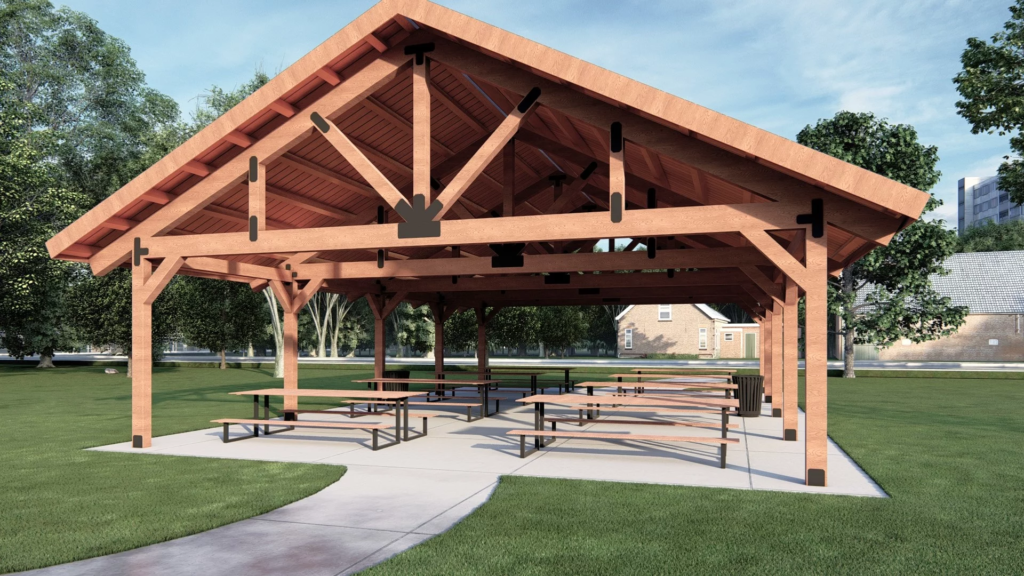
Roof design often becomes the pavilion’s most recognizable feature. Some structures use simple gable roofs that blend naturally into residential settings, while others feature elaborate hip roofs, vaulted ceilings, or dramatic contemporary shapes that become architectural landmarks. Columns, beams, and decorative details further contribute to each pavilion’s unique personality.
Materials That Shape Character
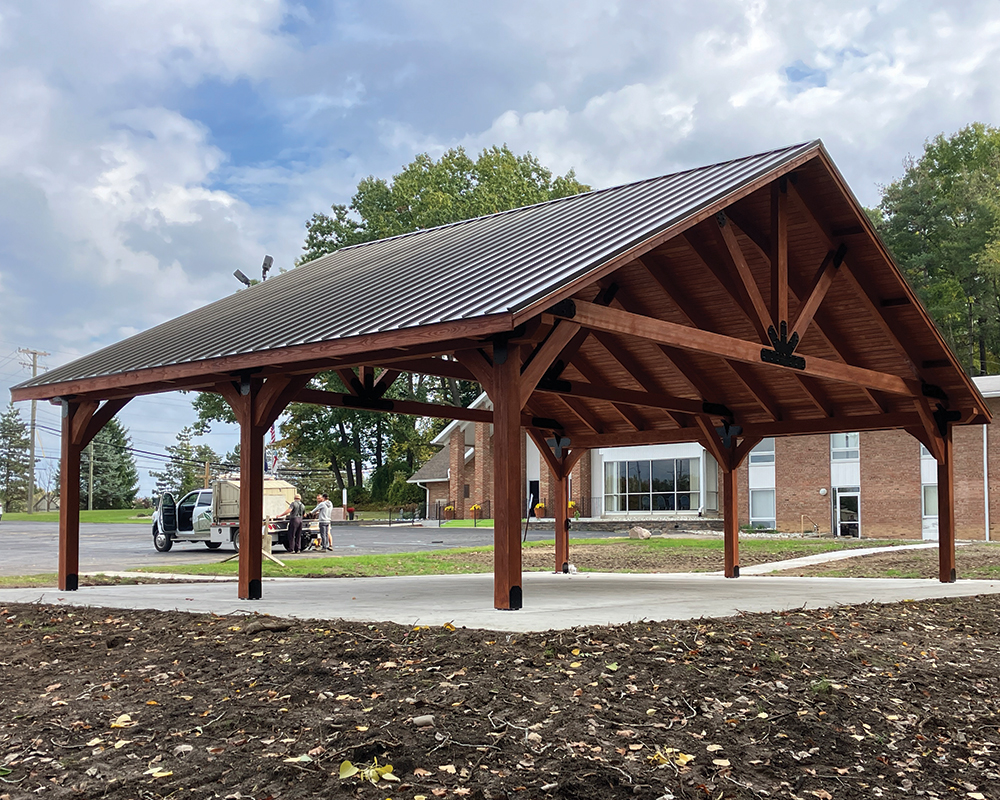
The choice of materials significantly influences both appearance and longevity. Wooden pavilions provide warmth, natural beauty, and timeless charm. Cedar and redwood remain popular because they naturally resist insects and decay while aging gracefully over time.
Metal pavilions offer exceptional durability and minimal maintenance. Aluminum resists rust, making it suitable for humid environments, while steel provides impressive structural strength for larger designs. Glass elements can introduce elegance by maximizing natural light and preserving scenic views without sacrificing protection from the elements.
Blending Form with Function
Excellent pavilion design balances visual appeal with everyday usability. Ceiling fans, integrated lighting, electrical outlets, heating systems, and built-in seating all enhance comfort while maintaining the pavilion’s open atmosphere. Some designs even include outdoor kitchens, fireplaces, entertainment systems, or retractable screens that extend seasonal use.
Landscape integration is equally important. A thoughtfully positioned pavilion feels like a natural extension of its surroundings rather than an isolated structure. Carefully selected plants, walkways, water features, and lighting complete the overall experience.
The Many Uses of a Pavilion in Residential and Public Spaces
A pavilion serves countless purposes, making it one of the most flexible architectural additions available. In residential settings, homeowners frequently install pavilions to create comfortable outdoor living areas where family and friends can gather throughout the year. These structures provide ideal locations for barbecues, birthday celebrations, outdoor dining, or peaceful afternoons with a good book.
Businesses also recognize the value of attractive pavilion spaces. Restaurants extend outdoor seating beneath elegant pavilions, hotels provide relaxing guest lounges, and resorts use them for weddings, yoga classes, and social events. The combination of shelter and open air creates an inviting atmosphere that appeals to visitors of all ages.
Public Parks and Community Spaces
Many public parks feature pavilions as central gathering places. Families reserve them for reunions, community organizations hold meetings beneath them, and local governments often use them for festivals, concerts, educational programs, and cultural celebrations.
Sports facilities also benefit from pavilion structures. Spectators enjoy shaded seating while athletes have convenient rest areas between competitions. These practical advantages improve the overall experience without requiring fully enclosed buildings.
Educational and Commercial Applications
Schools and universities increasingly incorporate pavilions into campus planning. Outdoor classrooms encourage interactive learning while reducing reliance on indoor facilities during pleasant weather. Students also appreciate comfortable places to study, collaborate, or relax between classes.
Commercial developments often install pavilions to create welcoming public gathering spaces. Shopping centers, office parks, botanical gardens, and event venues use them to encourage visitors to spend more time enjoying the environment while enhancing the property’s overall visual appeal.
Planning, Building, and Maintaining a Pavilion
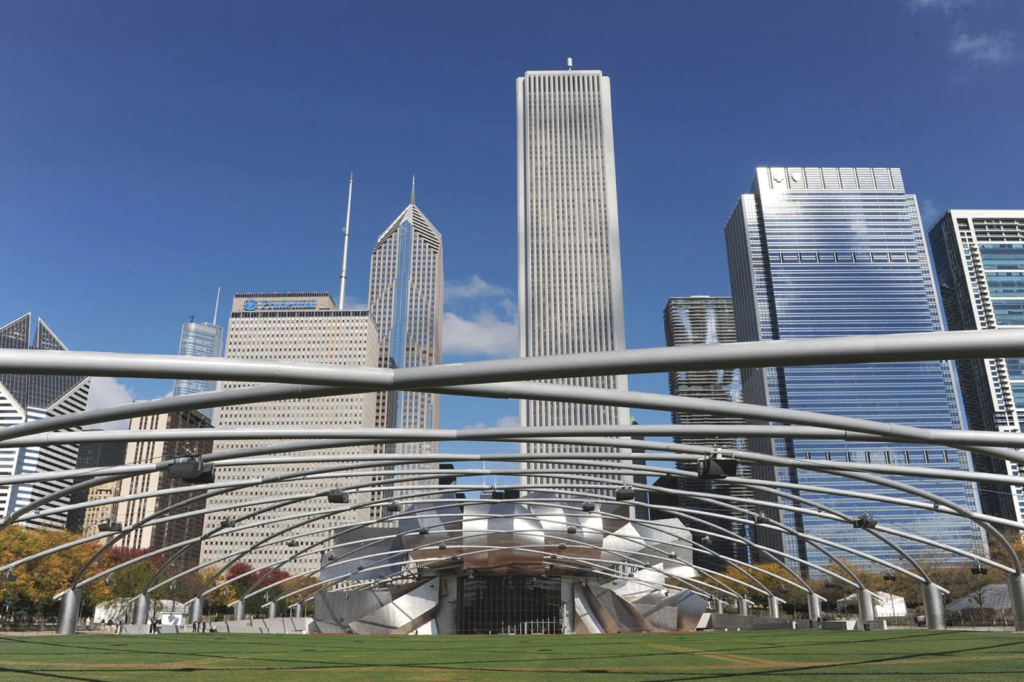
Constructing a pavilion requires thoughtful planning to ensure long-term satisfaction. The first consideration involves selecting the ideal location. A pavilion should complement existing buildings while taking advantage of natural scenery, shade patterns, prevailing winds, and convenient accessibility.
Size also plays a critical role. A structure intended for quiet family dinners requires different dimensions than one designed for weddings or community events. Future needs deserve equal attention because expanding a pavilion later may prove more complicated than building adequate space initially.
Choosing the Right Design
Architectural style should harmonize with the surrounding environment. Rustic timber pavilions naturally enhance wooded landscapes, while minimalist steel and glass structures suit modern homes and urban developments. Roof height, ceiling design, support columns, and decorative details all contribute to the finished appearance.
Budget planning extends beyond construction costs alone. Lighting, furniture, landscaping, utility connections, flooring, drainage, and ongoing maintenance should all be considered during the planning process to avoid unexpected expenses later.
Long-Term Care and Maintenance
Proper maintenance greatly extends a pavilion’s lifespan. Wooden structures benefit from regular cleaning, sealing, and inspections for moisture or insect damage. Metal components should be checked periodically for corrosion or loose fasteners, while roofing materials require occasional inspection after severe weather.
Routine care also includes trimming nearby vegetation, maintaining drainage around support posts, cleaning gutters where applicable, and replacing worn finishes when necessary. With consistent maintenance, many well-built pavilions remain beautiful and functional for decades.
Why Pavilions Continue to Inspire Modern Living
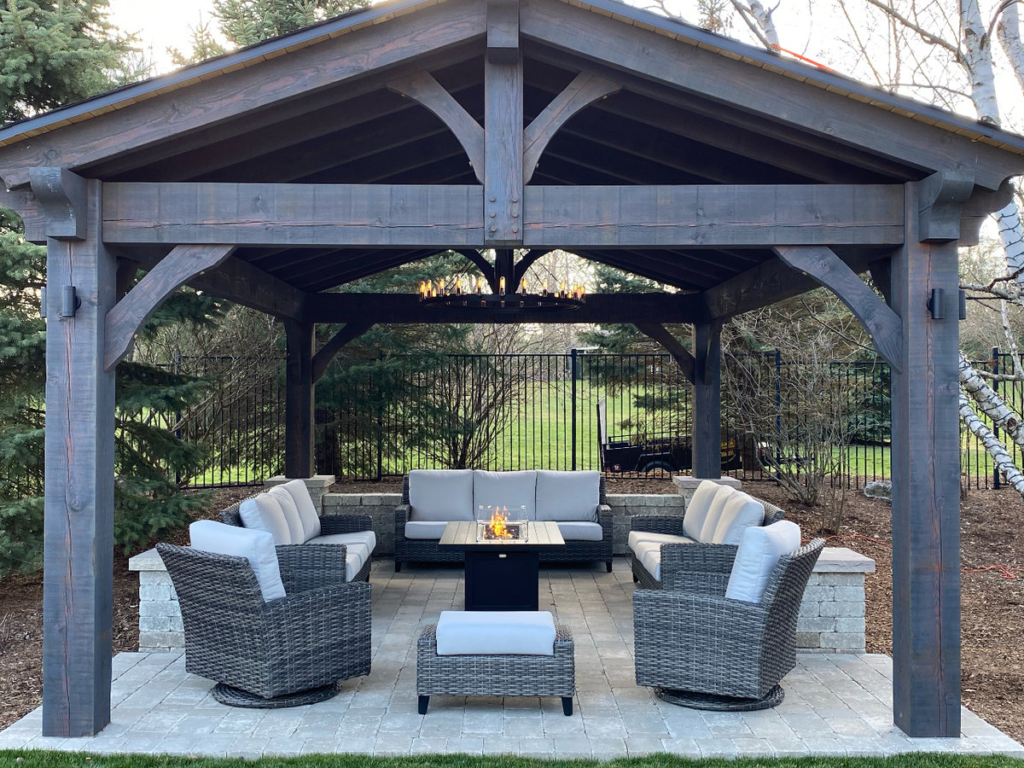
The enduring popularity of the pavilion reflects humanity’s appreciation for spaces that encourage connection with nature without sacrificing comfort. Unlike fully enclosed rooms, pavilions create environments where fresh air, natural light, and surrounding scenery become integral parts of everyday life.
Architects increasingly embrace biophilic design principles that emphasize stronger relationships between people and the natural world. Pavilions naturally support these concepts by offering transitional spaces that blur the boundary between indoors and outdoors. Whether overlooking gardens, lakes, forests, or city parks, they invite people to slow down and appreciate their surroundings.
A Valuable Investment in Lifestyle
Beyond aesthetics, a well-designed pavilion adds meaningful functionality to a property. It expands usable living space, accommodates entertaining, supports recreational activities, and provides a peaceful retreat from daily routines. Families often discover that their pavilion becomes one of the most frequently used areas of the property.
Property owners also appreciate the flexibility these structures provide. A pavilion can serve as a quiet reading corner one morning, a family dining area in the afternoon, and an elegant event venue by evening. Few architectural additions offer such remarkable versatility.
Looking Toward the Future
As sustainable building practices continue advancing, pavilion designs are becoming even more environmentally conscious. Solar-powered lighting, recycled materials, rainwater collection systems, and responsibly sourced timber allow new pavilions to reduce environmental impact while maintaining exceptional beauty.
Emerging technologies are also enhancing user comfort through smart lighting controls, integrated sound systems, weather-responsive shading, and efficient heating solutions. Despite these innovations, the pavilion’s core purpose remains unchanged: creating welcoming spaces where people can comfortably gather while enjoying the beauty of their surroundings.
Conclusion
The pavilion has endured for centuries because it fulfills a timeless human desire for comfortable, beautiful gathering spaces that remain connected to nature. From elegant garden retreats and public park shelters to luxurious event venues and modern backyard living areas, its versatility continues to inspire architects, homeowners, and communities alike.
Thoughtful design, quality materials, and careful planning allow a pavilion to become much more than an attractive structure. It evolves into a destination where memories are created, conversations unfold, celebrations take place, and peaceful moments are enjoyed. Whether traditional or contemporary, modest or grand, a well-crafted pavilion enriches both landscapes and lives, proving that great architecture is often defined not only by how it looks, but also by how it brings people together.
Frequently Asked Questions
1. What is a pavilion?
A pavilion is a freestanding structure that typically features a roof supported by columns or posts. It provides shelter while remaining open on most or all sides, making it ideal for relaxation, gatherings, and outdoor activities.
2. What is the difference between a pavilion and a gazebo?
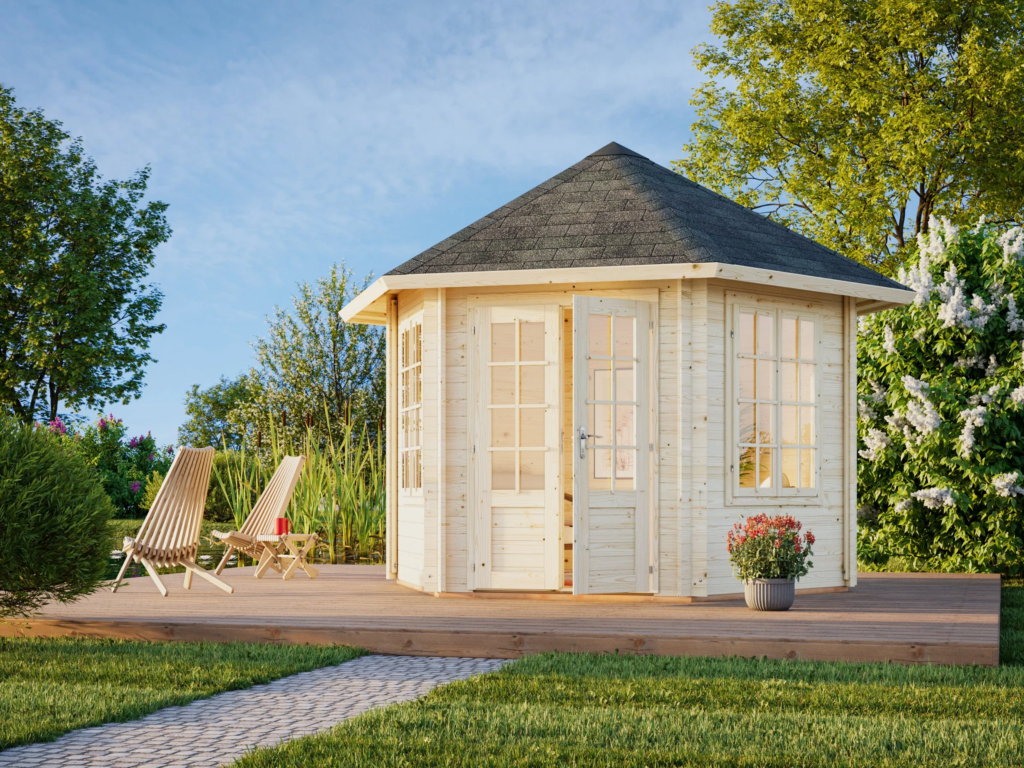
A gazebo is usually smaller, often octagonal or circular, and designed as a decorative focal point. A pavilion is generally larger, rectangular or square, and intended to accommodate groups or multiple activities.
3. Which materials are commonly used to build pavilions?
Popular materials include cedar, redwood, pressure-treated timber, aluminum, steel, stone, concrete, and glass. Material selection depends on budget, climate, maintenance preferences, and design goals.
4. Can a pavilion be used throughout the year?
Yes. Many pavilions can be enjoyed year-round by incorporating heating systems, outdoor fireplaces, weather-resistant furniture, retractable screens, and durable roofing materials suited to local weather conditions.
5. Do pavilions require a building permit?
Permit requirements vary by location, pavilion size, foundation type, and local building regulations. Checking with the appropriate local authority before construction is recommended.
6. How much maintenance does a pavilion need?
Maintenance depends on the materials used. Regular cleaning, roof inspections, protective finishes for wood, and occasional hardware checks help keep a pavilion in excellent condition.
7. Can a pavilion increase property value?
A thoughtfully designed pavilion can enhance a property’s appearance, expand functional outdoor living space, and increase its appeal to prospective buyers.
8. What activities are suitable inside a pavilion?
Pavilions are commonly used for outdoor dining, family gatherings, weddings, concerts, yoga sessions, community events, picnics, educational programs, and quiet relaxation.
9. How should I choose the right pavilion size?
Consider the available space, expected number of users, intended activities, furniture placement, and any future expansion needs before selecting dimensions.
10. Is a pavilion suitable for small backyards?
Yes. Compact pavilion designs are available for smaller properties, providing comfortable outdoor living space without overwhelming the landscape. Careful planning ensures the structure complements rather than dominates the yard.
