
If you’ve ever wondered how much is a PO Box, you’re not alone. Millions of individuals, small business owners, travelers, and remote workers use PO Boxes to receive mail safely and securely. Whether you’re looking for extra privacy, a professional mailing address, or a reliable place to receive packages, understanding PO Box pricing is essential before signing up.
The cost of a PO Box can vary significantly depending on several factors, including location, box size, rental duration, and the service provider. While some people may pay only a few dollars per month, others in high-demand urban areas may spend considerably more. This guide explains everything you need to know about PO Box pricing, hidden fees, benefits, and ways to save money so you can choose the best option for your needs.
What Is a PO Box and Why Do People Rent One?
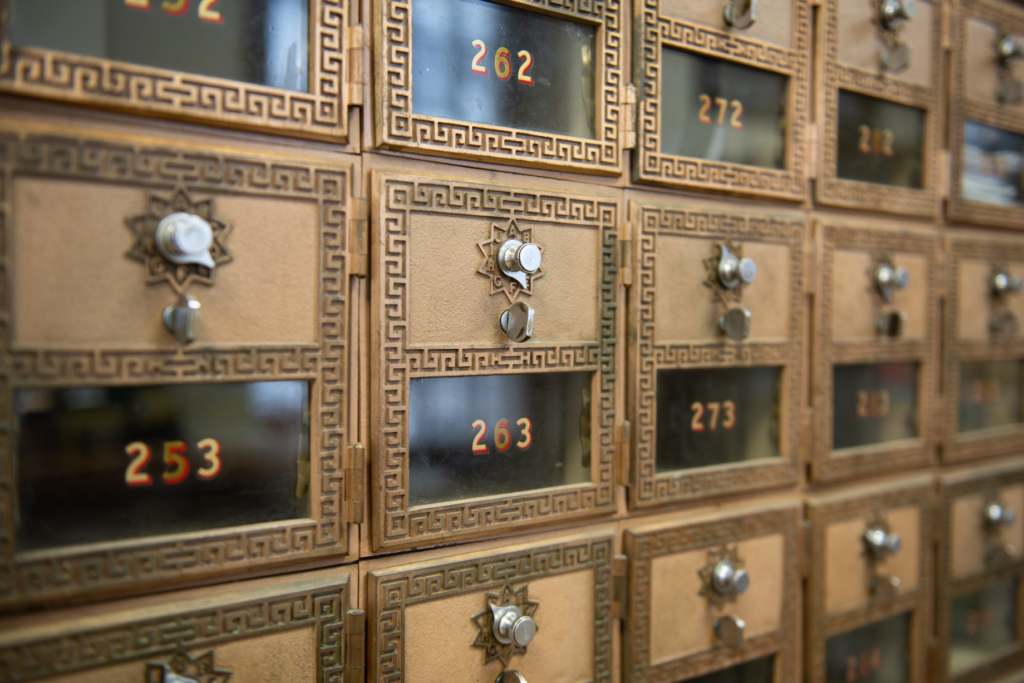
A PO Box, short for Post Office Box, is a secure mailbox located inside a post office or mail center. Instead of having mail delivered directly to your home or business address, your correspondence is sent to a numbered box that only you can access. PO Boxes are commonly used by individuals who value privacy and businesses seeking a professional mailing address.
Many people choose a PO Box because it offers enhanced security. Mail left in residential mailboxes can be vulnerable to theft, weather damage, or delivery issues. With a PO Box, mail remains safely stored until collected. This added layer of protection is particularly attractive for those receiving sensitive documents, legal notices, financial statements, or important business correspondence.
Another reason people rent PO Boxes is flexibility. Frequent travelers, digital nomads, and small business owners often need a stable mailing address regardless of where they live. A PO Box provides a permanent mailing location that remains consistent even when a person moves. This convenience makes it a practical solution for many modern lifestyles.
Businesses also benefit from PO Boxes because they create a more professional appearance. Instead of listing a home address on business cards or websites, companies can use a dedicated mailing address that enhances credibility while protecting personal privacy.
How Much Is a PO Box? Average Costs and Pricing Factors
The answer to the question how much is a PO Box depends largely on your location and the size of the box you need. Generally, PO Box rentals range from approximately $20 to over $200 per rental period, depending on the service provider and geographic area.
Smaller PO Boxes designed for letters and basic mail are typically the most affordable option. These boxes are suitable for individuals who receive a limited amount of correspondence. Medium-sized boxes can accommodate larger envelopes and magazines, while larger boxes are designed for businesses receiving frequent mail and packages.
Location plays a major role in pricing. PO Boxes in densely populated urban centers usually cost more because demand is higher and available space is limited. Rural locations often offer lower rental rates due to reduced demand and greater availability. A box in a major city may cost several times more than a similar-sized box in a smaller town.
Rental duration also influences pricing. Many postal providers offer discounts for customers who pay for six months or a year in advance. While monthly payments may seem convenient, long-term rentals often provide better value. Before committing, compare available plans and determine whether a longer rental term aligns with your needs.
PO Box Sizes and How They Affect Pricing
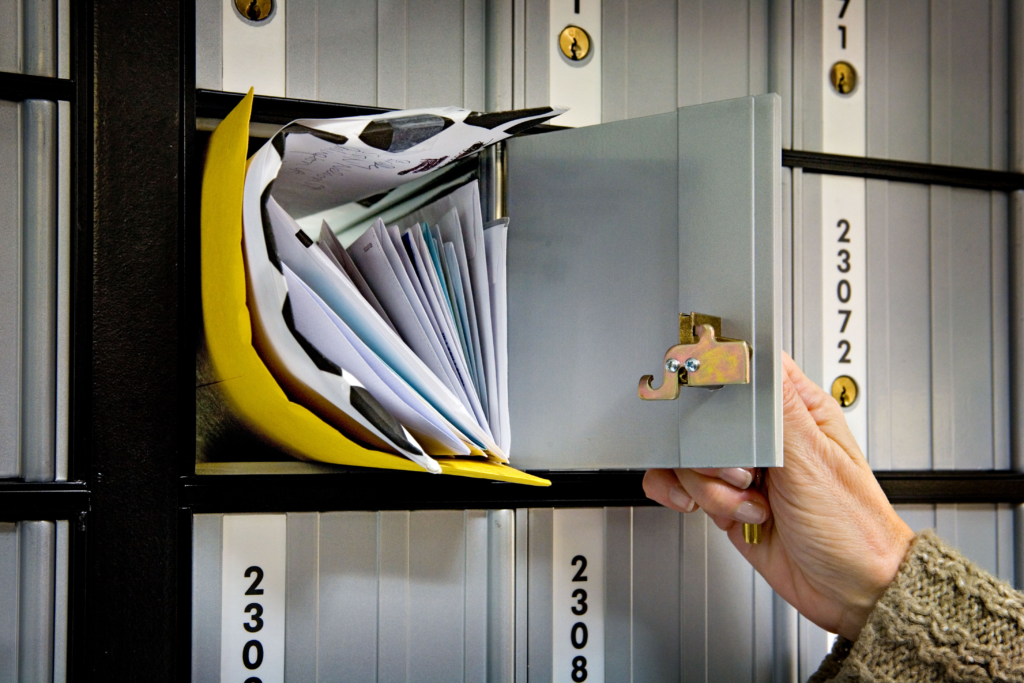
One of the biggest factors affecting PO Box cost is size. Postal providers typically offer several box sizes to accommodate different mail volumes. Choosing the correct size can help prevent unnecessary expenses while ensuring enough space for your incoming mail.
Small PO Boxes are ideal for personal use. They can usually hold standard letters, postcards, and a limited number of documents. If you only receive occasional mail, a small box may be sufficient and provide the most cost-effective solution.
Medium-sized boxes are popular among freelancers, consultants, and small businesses. These boxes can accommodate larger envelopes, magazines, catalogs, and increased mail volume. Although they cost more than smaller options, they provide greater convenience and reduce the need for frequent mail pickups.
Large and extra-large PO Boxes are designed for businesses receiving substantial mail volumes. These boxes can hold packages, promotional materials, and bulk correspondence. While they come with higher rental fees, they help prevent overflow and ensure that all mail remains secure.
Choosing a box that is too small can result in overflow fees or mail being held separately by postal staff. On the other hand, renting a box that is larger than necessary may lead to unnecessary expenses. Evaluating your average mail volume before selecting a size is the best way to balance convenience and affordability.
Additional Fees and Hidden Costs to Consider

When researching how much is a PO Box, it’s important to look beyond the basic rental fee. Several additional charges may apply depending on your provider and the services you choose.
Key deposits are one common expense. Many providers require customers to pay a refundable deposit for mailbox keys. While this amount is often returned when the box is closed and keys are returned, it still represents an upfront cost that should be considered.
Replacement keys can also add unexpected expenses. If you lose your PO Box keys, replacement charges may apply. Depending on the provider, costs can vary from modest administrative fees to more significant lock replacement charges.
Late payment fees are another consideration. Failing to renew a PO Box on time can result in penalties or temporary suspension of service. Some providers may even close the box if payments remain overdue for an extended period.
Additional services such as mail forwarding, package acceptance, premium notifications, and enhanced security features may increase overall costs. Business users should pay particular attention to optional services because they can significantly impact total expenses over time.
Understanding these potential fees before signing a rental agreement helps avoid surprises and ensures accurate budgeting.
Is a PO Box Worth the Cost? Benefits Compared to Alternatives
For many people, the benefits of a PO Box outweigh the rental expense. Privacy remains one of the biggest advantages. Instead of sharing a home address publicly, users can receive mail at a secure location that protects personal information.
Security is another major benefit. Mail theft continues to be a concern in many areas, and PO Boxes provide a safer alternative to residential mailboxes. Sensitive documents remain protected inside a secure facility until collected by the box holder.
Reliability also makes PO Boxes attractive. Because mail is delivered directly to the post office, issues related to missed deliveries, damaged mailboxes, or changing residential addresses are minimized. This consistency is especially valuable for businesses and individuals who move frequently.
However, alternatives exist. Private mailbox services often offer street addresses, package acceptance from multiple carriers, and additional business services. While these options may provide greater flexibility, they often come with higher monthly costs. Home delivery remains the most affordable solution for many people, but it may not provide the same level of privacy or security.
Evaluating your priorities—whether privacy, security, convenience, or cost—can help determine whether a PO Box is the right investment.
Tips for Saving Money on a PO Box Rental

If you’re concerned about costs, several strategies can help reduce PO Box expenses. One of the simplest approaches is choosing the smallest box that meets your needs. Many renters overestimate their mail volume and end up paying for unused space.
Paying for longer rental periods can also generate savings. Providers frequently offer discounted rates for six-month or annual commitments. Although the upfront payment is larger, the long-term cost is often lower.
Comparing locations is another effective strategy. If multiple post offices are available within a reasonable distance, pricing may differ significantly. Exploring nearby options can reveal more affordable alternatives.
Sharing a PO Box may also be practical in certain situations. Family members, business partners, or spouses can often use the same box, reducing individual costs. Before doing so, verify that the provider allows multiple authorized recipients.
Finally, avoid unnecessary add-on services unless they provide genuine value. Optional features can increase monthly expenses without delivering meaningful benefits for every user.
Frequently Asked Questions (FAQs)
1. How much is a PO Box per month?
The monthly cost varies by location and size but typically ranges from a few dollars to several dozen dollars per month.
2. Why do PO Box prices vary?
Prices depend on location, demand, box size, and rental duration.
3. Are PO Boxes cheaper in rural areas?
Yes, rural locations often have lower rental fees than urban areas.
4. Can businesses use a PO Box?
Yes, many businesses use PO Boxes for secure and professional mail handling.
5. Is there a deposit required for a PO Box?
Many providers require a refundable key deposit when opening a box.
6. Can I receive packages in a PO Box?
Many PO Boxes accept packages, though policies vary by provider and package carrier.
7. What happens if my PO Box becomes full?
Mail may be held separately or overflow procedures may apply depending on the provider.
8. Can multiple people use one PO Box?
In many cases, authorized users can share a single PO Box.
9. Is a PO Box more secure than home delivery?
Generally, yes. PO Boxes offer enhanced protection against theft and weather-related issues.
10. How can I save money on a PO Box?
Conclusion
Understanding how much is a PO Box involves more than looking at a single rental price. Costs vary based on location, size, rental duration, and additional services. While basic PO Boxes can be relatively affordable, premium options and urban locations may command higher fees.
For individuals seeking privacy, security, and reliable mail delivery, a PO Box remains a valuable investment. Businesses benefit from professional mailing addresses, while travelers and remote workers enjoy a stable location for receiving correspondence. By selecting the right size, comparing locations, and taking advantage of long-term discounts, you can maximize value while minimizing expenses.
Whether you’re considering a PO Box for personal or business use, understanding the pricing structure helps you make an informed decision and choose the solution that best fits your needs.
