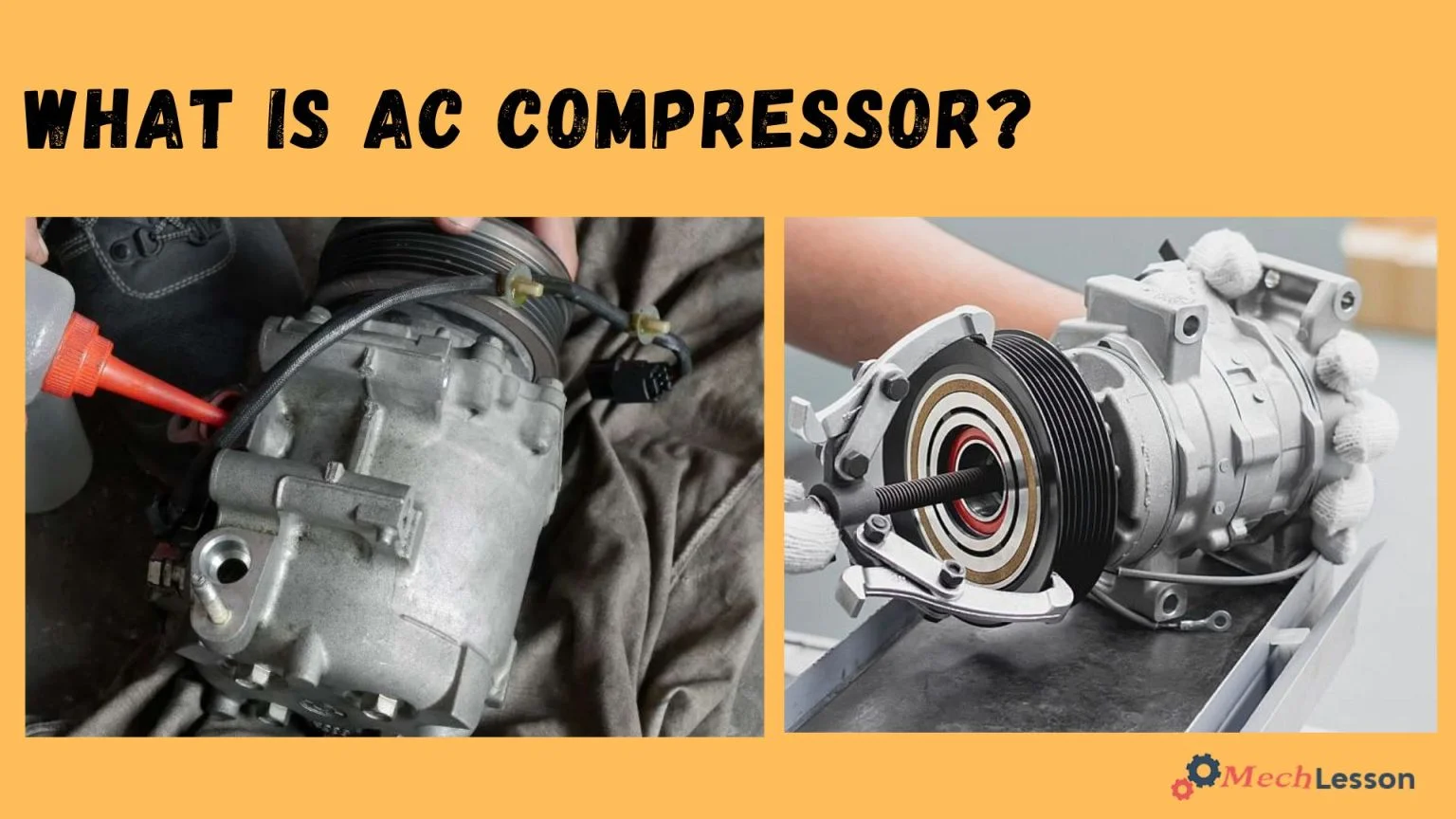

AC compressorAir conditioners have become an essential part of modern life, especially in hot climates where extreme temperatures can make daily living uncomfortable. Whether it’s your home, office, or car, the cooling system depends on one critical component: the AC compressor. Without it, your air conditioner cannot cool air properly, and the entire system may stop working.
The AC compressor is often called the “heart” of the air conditioning system because it plays a central role in circulating refrigerant and maintaining cooling efficiency. Many AC problems—such as weak cooling, unusual noises, or high electricity bills—can often be linked to compressor issues.
In this detailed guide, we will cover everything you need to know about the AC compressor, including how it works, common types, symptoms of failure, repair options, replacement costs, and maintenance tips.
What Is an AC Compressor?
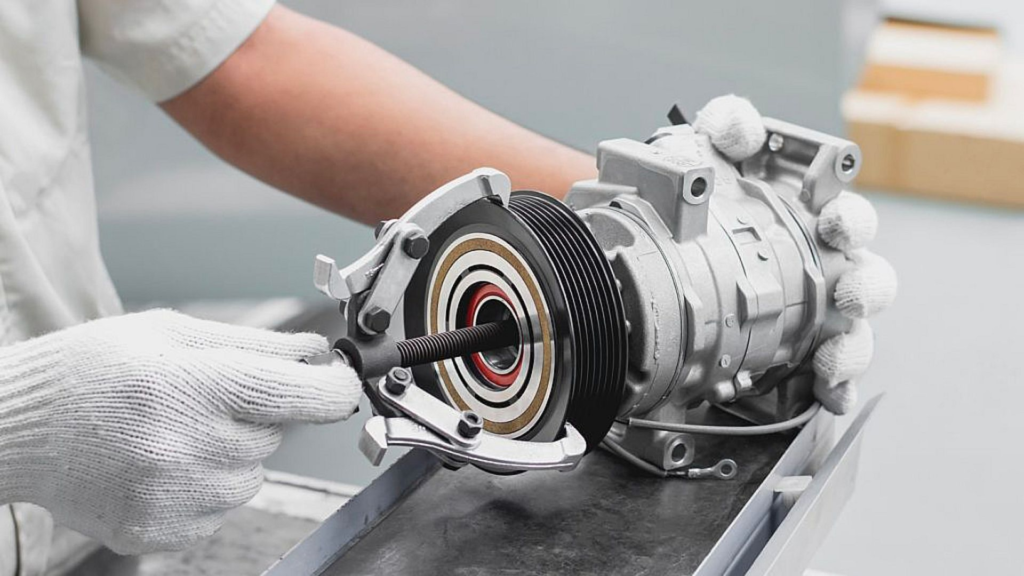
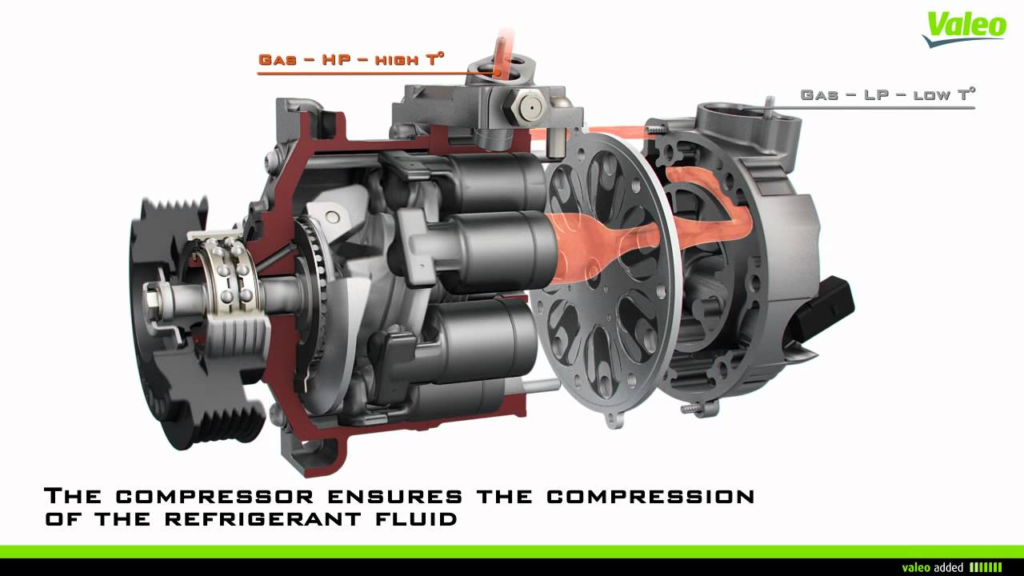
An AC compressor is a mechanical device that compresses refrigerant gas and pushes it through the air conditioning system. Its main purpose is to increase the pressure of the refrigerant, which allows it to circulate between the evaporator and condenser coils.
When refrigerant is compressed, it becomes hot and high-pressure. It then flows through the condenser coil where heat is released outside. After that, the refrigerant cools down and returns to absorb heat inside your room, producing cold air.
In simple terms, the AC compressor keeps the refrigerant moving and enables the cooling cycle to work properly.
How an AC Compressor Works
Understanding the working process of an AC compressor can help you identify problems early.
Step-by-Step Working of an AC Compressor
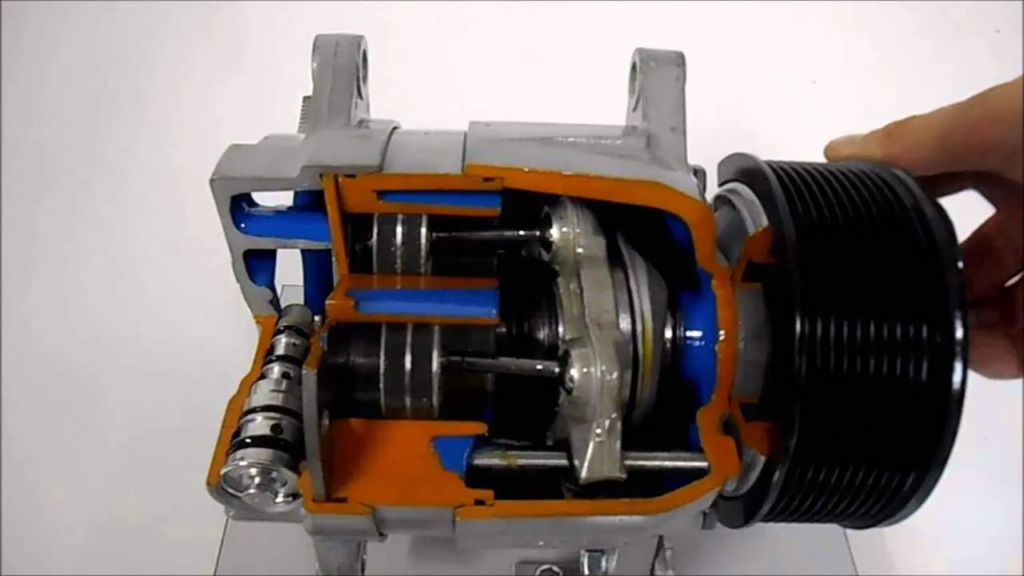
- The compressor pulls in low-pressure refrigerant gas from the evaporator.
- It compresses the gas into a high-pressure, high-temperature state.
- The hot refrigerant moves to the condenser coil.
- Heat is released outside, and refrigerant turns into liquid form.
- The refrigerant travels back to the evaporator, absorbing heat indoors.
- The cycle repeats continuously.
Without the AC compressor, refrigerant cannot circulate, and cooling will stop completely.
Why the AC Compressor Is Important
The AC compressor is one of the most important parts of any air conditioning unit. It is responsible for maintaining cooling efficiency and ensuring stable performance.
Key Reasons AC Compressor Is Essential
- Helps circulate refrigerant through the system
- Maintains cooling cycle and airflow temperature
- Improves overall AC performance
- Supports energy-efficient cooling
- Controls pressure balance in refrigerant lines
If the compressor fails, the AC will either blow warm air or stop running.
Types of AC Compressor
Not all compressors are the same. Different air conditioning systems use different compressor designs based on performance needs.
1. Reciprocating AC Compressor
A reciprocating AC compressor uses pistons to compress refrigerant gas. It works similarly to a car engine.
Pros:
- Durable and powerful
- Common in older AC units
Cons:
- Noisy operation
- Less energy efficient compared to modern compressors
2. Rotary AC Compressor
A rotary AC compressor uses rotating blades to compress refrigerant. It is commonly used in smaller residential air conditioners.
Pros:
- Smooth operation
- Less noise
- Compact design
Cons:
- Not ideal for large cooling systems
3. Scroll AC Compressor
A scroll AC compressor uses two spiral-shaped scrolls to compress refrigerant gas. It is widely used in modern split AC systems.
Pros:
- Quiet and efficient
- Longer lifespan
- Low maintenance
Cons:
- Can be expensive to replace
4. Screw AC Compressor
Screw compressors are mostly used in commercial and industrial cooling systems. They compress refrigerant using two rotating screws.
Pros:
- Highly efficient
- Suitable for large buildings
Cons:
- High installation cost
- Needs professional maintenance
5. Centrifugal AC Compressor
A centrifugal AC compressor uses a rotating disk to create centrifugal force and compress refrigerant gas.
Pros:
- Best for large industrial cooling systems
- Very efficient in large-scale use
Cons:
- Very expensive
- Not suitable for home AC units
AC Compressor in Split AC vs Window AC
The design and placement of an AC compressor differ depending on the type of air conditioner.
Split AC Compressor
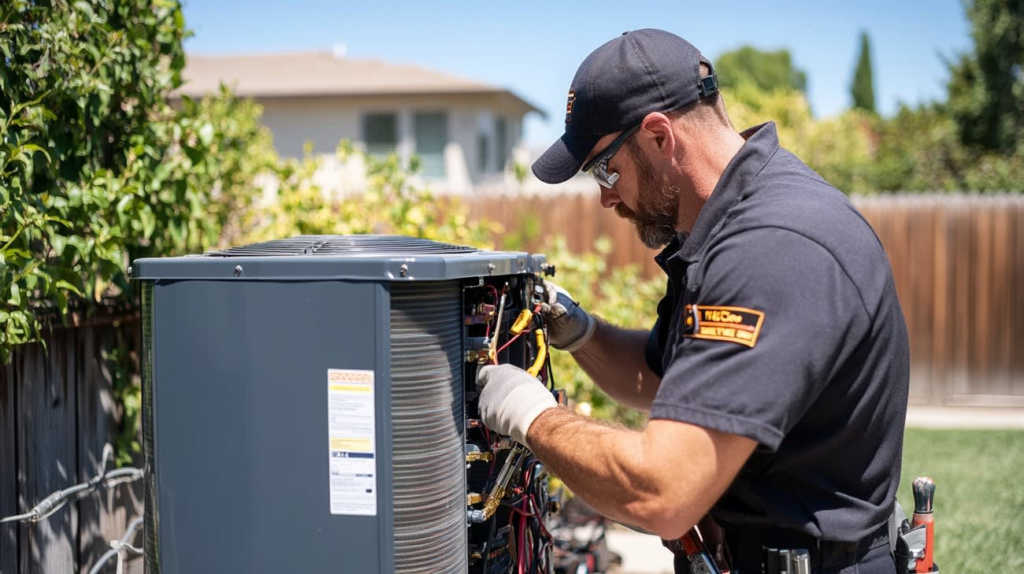
In split AC units, the compressor is located in the outdoor unit. This helps reduce indoor noise.
Window AC Compressor
In window AC units, the compressor is inside the same box. This is why window ACs are generally louder.
Both systems perform the same function, but split AC compressors tend to be more energy-efficient.
Common Signs of AC Compressor Problems
Many AC owners ignore early warning signs. Recognizing symptoms of AC compressor failure can save you money.
1. AC Blowing Warm Air
If your AC is running but blowing warm air, the compressor may not be circulating refrigerant properly.
2. Loud Noise from Outdoor Unit
A damaged AC compressor may produce grinding, rattling, or clicking sounds.
3. AC Compressor Not Turning On
If the compressor is not starting, it could be due to electrical issues, capacitor failure, or compressor motor damage.
4. Frequent Circuit Breaker Trips
If your circuit breaker keeps tripping when you turn on the AC, the compressor may be drawing too much power.
5. Weak Airflow
Weak airflow can be caused by compressor issues, especially if refrigerant pressure is not balanced.
6. Vibrations While Running
If the outdoor unit shakes excessively, the compressor might be loose or damaged.
Causes of AC Compressor Failure
An AC compressor can fail for several reasons. Some are due to poor maintenance, while others happen naturally over time.
1. Refrigerant Leakage
Low refrigerant levels force the compressor to work harder, which can cause overheating and eventual failure.
2. Dirty Condenser Coils
When condenser coils are dirty, heat cannot escape properly. This increases compressor load and reduces lifespan.
3. Electrical Problems
Power surges, faulty wiring, and capacitor failure can damage the compressor motor.
4. Lack of Lubrication
Compressors require lubrication to prevent friction. Without it, internal parts wear out quickly.
5. Overheating
Overheating is one of the most common causes of AC compressor failure, often caused by poor airflow or blocked vents.
6. Old Age
Like any mechanical component, an AC compressor has a limited lifespan, usually between 10 to 15 years depending on usage.
AC Compressor Repair vs Replacement
When an AC compressor fails, many people wonder whether repair is possible or replacement is required.
When AC Compressor Repair Is Possible
Repair may be an option if:
- capacitor is faulty
- wiring is damaged
- refrigerant needs refilling
- relay or contactor is damaged
These issues are often external and can be fixed without replacing the compressor.
When AC Compressor Replacement Is Needed
Replacement is usually required if:
- compressor motor is burned out
- internal parts are damaged
- compressor is leaking oil
- compressor is completely locked
In such cases, replacement becomes the most reliable option.
AC Compressor Replacement Cost
The cost of replacing an AC compressor depends on brand, model, capacity, and labor charges.
Average AC Compressor Cost Factors
- Compressor type (scroll, rotary, etc.)
- AC tonnage (1 ton, 1.5 ton, 2 ton)
- Brand quality
- Warranty coverage
- Installation labor cost
In general, compressor replacement can be expensive and may cost almost half the price of a new AC unit.
If your AC is old, buying a new unit may be a better long-term investment.
AC Compressor Maintenance Tips
Proper maintenance can significantly extend the life of your AC compressor.
1. Clean Condenser Coils Regularly
Outdoor condenser coils collect dust and debris. Cleaning them improves heat transfer and reduces compressor strain.
2. Check Refrigerant Levels
Low refrigerant is dangerous for compressor health. Always call a professional technician if cooling performance drops.
3. Replace Air Filters
Dirty filters restrict airflow, forcing the compressor to work harder. Replace filters every 1 to 3 months.
4. Keep Outdoor Unit Clear
Remove leaves, dust, and objects around the outdoor unit. Proper ventilation prevents overheating.
5. Use a Voltage Stabilizer
In areas with voltage fluctuations, using a stabilizer protects the compressor from electrical damage.
6. Schedule Annual Servicing
Professional servicing helps detect early issues and ensures smooth compressor performance.
How to Test an AC Compressor
If your AC is not cooling, you may want to check if the AC compressor is working.
Basic Ways to Check Compressor Function
- Listen for humming sound from outdoor unit
- Check if outdoor fan is running
- Feel refrigerant pipes (one should be hot, one cold)
- Observe if AC trips circuit breaker
For accurate testing, technicians use tools like:
- multimeter
- pressure gauges
- clamp meter
DIY testing is limited, and improper handling can be dangerous.
AC Compressor Not Working But Fan Running
This is a common issue. If the fan is running but the AC compressor is not working, possible causes include:
- faulty capacitor
- damaged relay switch
- compressor overload protection triggered
- low refrigerant pressure
- compressor motor failure
Sometimes replacing the capacitor can fix the problem quickly. However, if the compressor motor is damaged, replacement may be required.
Can an AC Compressor Be Refilled?
Many people ask whether an AC compressor can be refilled. Technically, refrigerant can be refilled, but the compressor itself is not “refilled.” Refrigerant is part of the sealed system.
If refrigerant is low, it usually means there is a leak. Simply refilling without fixing the leak will cause the problem again.
A professional technician should always inspect for leaks before refilling refrigerant.
AC Compressor Noise Problems
Unusual noise is often an early warning sign of compressor trouble.
Common AC Compressor Noises
- Buzzing: electrical problem or loose parts
- Clicking: relay issue or startup failure
- Grinding: internal compressor damage
- Hissing: refrigerant leak
- Rattling: loose bolts or broken components
If you hear unusual sounds, turn off the AC and call a technician to avoid further damage.
How Long Does an AC Compressor Last?
The average lifespan of an AC compressor depends on usage, environment, and maintenance.
Typical Lifespan
- Residential AC compressors: 10 to 15 years
- Commercial compressors: 15 to 20 years (with servicing)
Factors that reduce lifespan include:
- frequent on/off cycling
- dirty filters
- poor maintenance
- extreme heat exposure
- low refrigerant
Best Practices to Protect Your AC Compressor
If you want your compressor to last longer, follow these best practices:
- don’t run AC continuously at extremely low temperature
- maintain stable electricity supply
- service the AC every year
- clean filters regularly
- avoid ignoring small issues
Even minor problems can become expensive if they damage the compressor.
AC Compressor and Energy Efficiency
A damaged or weak AC compressor can increase your electricity bill significantly. When the compressor struggles to maintain cooling, it consumes more power.
Signs Compressor Is Increasing Power Usage
- AC takes longer to cool
- rooms never reach desired temperature
- outdoor unit runs constantly
- electricity bill increases suddenly
If your power bill rises unexpectedly, compressor performance should be checked.
Should You Replace the Compressor or Buy a New AC?
Sometimes replacing the AC compressor is not the best choice, especially if your unit is old.
Replace Compressor If:
- AC is under warranty
- unit is less than 5-7 years old
- repair cost is reasonable
Buy a New AC If:
- unit is older than 10 years
- compressor replacement cost is too high
- AC has frequent breakdowns
- energy efficiency is low
Modern inverter AC units are more efficient and can save money in the long run.
Conclusion
The AC compressor is the most critical component of any air conditioning system. It compresses and circulates refrigerant, allowing the cooling cycle to function properly. Without a healthy compressor, your AC cannot provide cold air, and energy consumption may rise dramatically.
Understanding how the AC compressor works, recognizing warning signs of failure, and performing regular maintenance can help you avoid expensive repairs. Whether you have a split AC, window AC, or commercial unit, taking care of the compressor ensures better cooling performance and longer system life.
If you notice unusual noises, warm airflow, or frequent breaker trips, it is best to contact a professional technician immediately. A small issue today can prevent a complete compressor failure tomorrow.
